
Sustainability
Gef’s 30 Under 30 2024 Winners: Q&A with Katie Watson
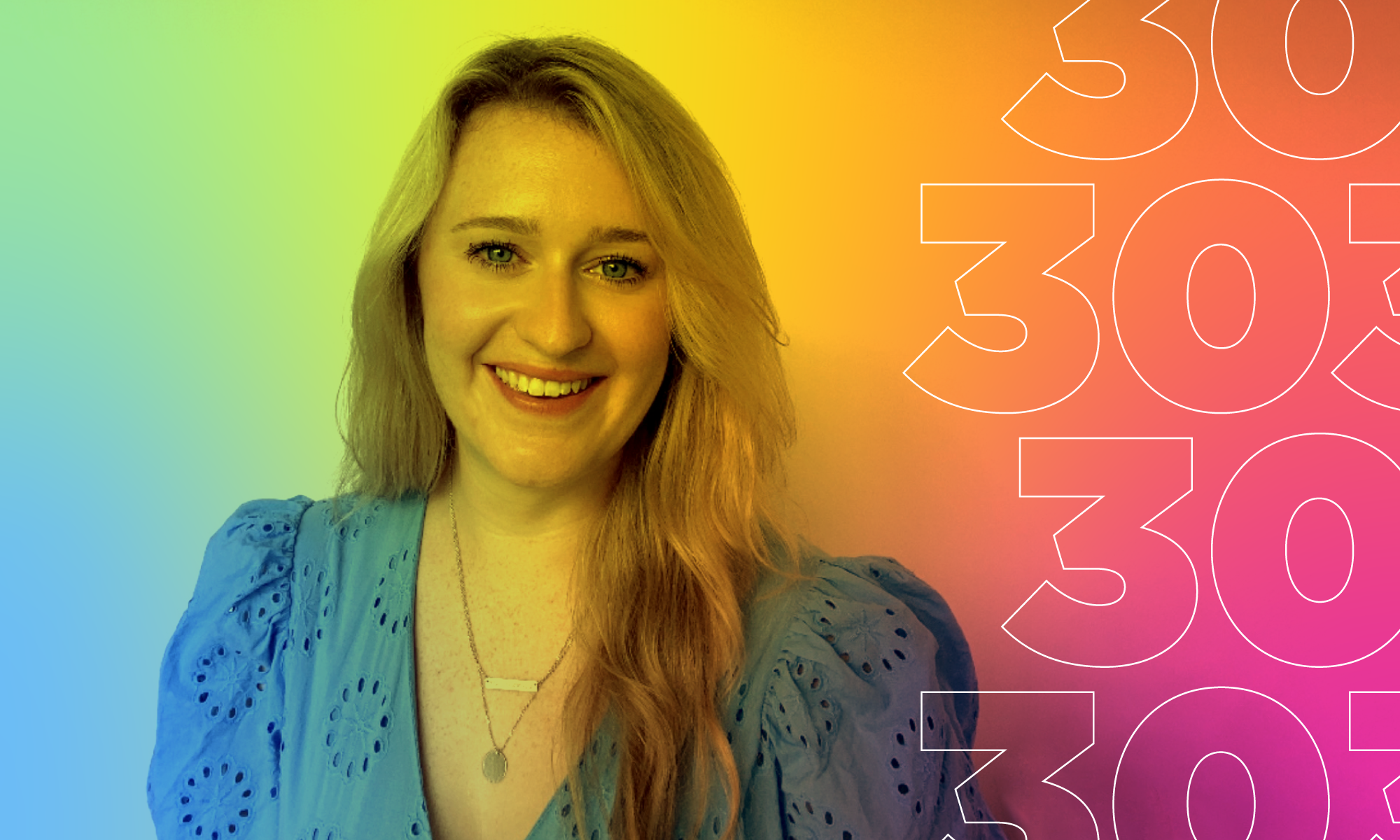
Ten categories. Thirty young visionaries making their mark on the Isle of Man. Introducing the 2024 #Gef30Under30 winners: the next generation of our island’s leaders.
The UNESCO Biosphere Isle of Man and Net Zero Isle of Man Sustainability category winners are taking care of the planet and taking names. They are optimistic about our island’s future, as long as we all start with small positive changes.
What is your name and age?
Katie Watson, age 29.
Job title or role in the community?
Postdoctoral Research Fellow at the University of Hong Kong.
How did you start your career or role in the community?
I started working in marine conservation back in 2011, by volunteering for the Manx Wildlife Trust. My role was working on a seal recognition project, aiming to identify potential emigration patterns to and from Scotland.
In one sentence, summarise your journey so far as a young and successful person under 30.
It’s been an adventure, and even through the challenges, you never regret taking a chance on yourself!
Tell us about your business/industry, is there something interesting about it that most people wouldn’t expect?
I specialise in marine coastal restoration, using different tools to optimise how we can restore endangered and little-known ecosystems such as seagrass meadows. Seagrasses are incredible marine plants which support vast amounts of biodiversity, protect coastlines from flooding and erosion, and have been shown to help offset climate change by trapping carbon (at a rate ~40 times faster than tropical rainforests!). However, we are currently loosing around 7% of our seagrass populations globally every year. Part of my work is to ‘talk’ to the seagrass using genetic techniques, and look at how molecular signals change when I put them under different environmental conditions like the ones we expect to experience under climate change. From this, the plants can tell me if they will have a ‘fight-or-flight’ response, and we can prioritise the conservation of resilient populations.
Have you experienced any hurdles in your career or community efforts and if so, how did you overcome them?
Completing my PhD was really challenging, not just because of the nature of the beast, but also the life things going on during too. After having moved my life and only being in South Africa for 6 weeks, the COVID-19 pandemic meant I had to return home which created a lot of uncertainty; my wonderful Granddad passed away and then a few months later my Mum was diagnosed with breast cancer; having to balance several part-time jobs including running two businesses to substitute my small bursary; there was a flood in the department building which nearly destroyed one of my experiments which had been running for 2 years, then an office fire shortly after. When I think back, it seems like a different lifetime. Despite all the sacrifices and setbacks, I was determined to pick myself back up to get it done. Apart from a resilient mindset, I was really lucky to have such a wonderful support crew around me, they really got me over the finish line in the end.
Tell us about why you think you won in the Sustainability category?
Like so many others who work in the conservation space, my passion really drives me to more to support the work that needs doing. Since starting volunteering with the Manx Wildlife trust in 2011, I have continued to work with them on their small shark tagging project, and this has now led to co-supervising a masters project in collaboration with the University of Gibraltar. I’ve also volunteered for other NGO’s including in Love The Oceans (Mozambique) where we conducted coral reef health surveys, and Snehalaya (India) where we helped teach English in rural schools. I continue to teach by lecturing on undergraduate modules at Stellenbosch University, and also volunteer my time to lead an international effort to update the conservation status of endangered seagrasses globally as part of the IUCN Seagrass Species Specialist Group.
In terms of my research, as part of my PhD I was the first person to successfully restore an area of Cape dwarf-eelgrass (Zostera capensis) in South Africa, and I am currently co-supervising a masters student who is looking to upscale that work. During my PhD, I won a competition to get the genome of this endangered seagrass sequenced, which will be the first seagrass genome for the continent! Now, this work has taken me further afield to partner with WWF and The Nature Conservancy to aim to restore seagrass meadows in Hong Kong too (it’s not all land reclamation, I promise!).
With all the challenges we have begun to face relating to climate change, I think it’s important for scientists to share what we know with out local communities, so they can begin to identify, and find solutions for, current and future climate challenges. My science communication work has included podcasts, online articles, guest lectures at universities and schools, international conference presentations – I’ve even given talks in a pub!
There’s lots of work left to do to tackle climate change and the impacts its leaving on our marine ecosystems, I’m only a small part of that global effort.
Who are your role models, either on-island or off, in your sector or outside of it?
Sylvia Earle, Jane Goodall and Michaela Strachan were definite role models growing up, it was awesome to see these badass woman doing their thing! But really in my day-to-day, it’s my friends and family who inspire me the most, they make me better.
What’s the best piece of advice you’ve ever received?
‘Best done now!’ It’s an iconic saying from my Granny, doesn’t matter how tired you are, better to just get it done. It works too, whenever I put things off, I always regret it and hear my Granny’s voice in my head…
What do you wish you knew when you were getting started in your career?
You CAN make a career in conservation, these things are available for you too, not just the incredible people you see on David Attenborough documentaries. There are so many niches within ecology, and as I say, so much work left to done, there is always room for passionate people to do that work.
What are your plans for the future?
My dream is to one day become a Professor, teaching the next generation of ecologists, with my own research group, continuing to protect, conserve and restore marine ecosystems such as seagrasses.
What changes do you hope to see in your sector or community in the coming years?
Academia continues to face issues surrounding job stability; low wages coupled with temporary contracts is a combination that doesn’t help to retain talent. Universities need to take responsibility for the ‘leaky pipeline’ that still exists – the high rate of people from minority groups that leave academia the further down the track they get is leading to systemic inequalities in the industry, which is unacceptable.
What, for you, are the benefits of staying on or moving back to the island for young people under 30?
Even though I have chosen to move off the Island, I am still actively involved in marine conservation work. For me, there was a great sense of always wanting to give back to your community when I was growing up. That sense of community has really stuck with me.
What does being a Gef’s 30 Under 30 winner mean to you?
It was such a ‘pinch me’ moment when I found out, I’m over the moon! It’s so affirming to be recognised for having made a difference in an area that you love working in, and makes me want to keep pushing further. It’s wonderful that this initiative celebrates the diversity of talent on the Island!


50 Years, Three Generations And Thousands of Windows

Josh Secures £300k Backing For Gaming Venture

Review: ‘Easily Tom Holland’s Best Outing As Spider-Man’

New Hotel Plan for Peel

You must be logged in to post a comment.