
Features
‘It’s All Real’: Inside the Documentary Laying Bare Part of Island’s Shameful Past
‘…when we were researching, it was, like the more you discover the worse it gets’
‘Nothing in this script is imagined. It’s all real, taken verbatim from historical records of what happened on the Isle of Man not that long ago.’
That’s John Craine. He’s the director of the recent phenomenon ‘No Man is an Island’, a short documentary that takes a stark look at the social shaming of gay people in the Isle of Man during the events leading up to the decriminalising of homosexuality here in just 1992.
I was blown away by the film. From beginning to end, I was silently transfixed. The only noises that escaped me were intermittent gasps of shock at the events I was watching, alongside the occasional gasps of joy of ‘hey, I know that person!’ because the documentary made it a priority to use a Manx cast and crew – adding even more substance to its content. One of those cast members is Liam Behan.
‘I didn’t have any kind of scope about how bad the history actually was, and the more I discovered, as horrific as it was, the more impassioned I was to be involved. Getting the opportunity to tell such a poignant, important story that affects me as a Manx man, as a gay man, while also getting to use my acting skills is like a once in a lifetime opportunity.’ Liam tells me, earnestly.
He might have been too young to remember the actual events at the time but tells me he’s got older friends – gay men and women who live on the island – who remember it vividly.
‘I grew up going to Guys and Dolls, eventually getting a job there, and would listen to Danny and Graham and occasionally Alan Shea tell stories about how it used to be, but I never fully understood until doing this project. It means so much that they’re proud of the story finally being told.’

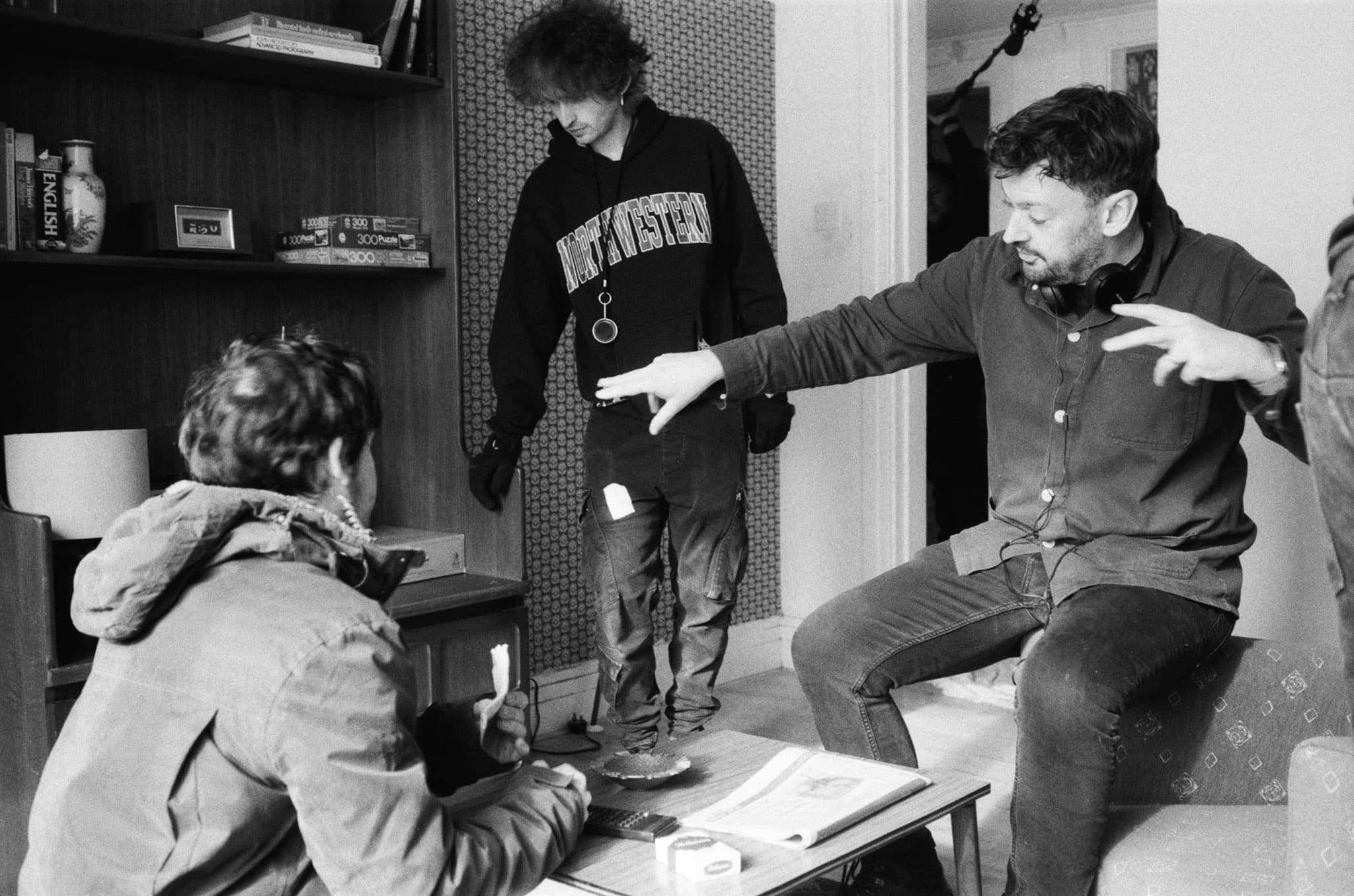
John Craine (right) directing on the set of No Man Is An Island (picture by James Northcote)
The documentary had originally been due to be released alongside the Isle of Man’s first Pride event back in 2021 but was pushed back because of Covid. However, the extra time, John tells me, meant extra research, and the more they found, the more they discovered the magnitude of what they were making.
‘I grew up as a gay man on the island, and didn’t really know much about this history. And when we were researching, it was like the more you discover, the worse it gets.’ John tells me. ‘Sometimes you don’t realise what you’re making until you start making it. And the sort of theme that came out was this thing about social shame. We essentially streamlined the story to focus on that, which isn’t the whole story but part of the wider one of how the law was changed.’
Though the details of the documentary are harrowing, the making of the production itself is one of hope, an example of just how far the Isle of Man has come in a relatively short amount of time.
‘We got a lot of support from the Isle of Man Arts Council but also from the arms of the establishment that feature in the documentary. For example, we were welcomed into the House of Keys to reenact the Sexual Offences Bill debates of 1991 and 92, we were able to shoot in the Nobles Park toilets where the police had set up hidden cameras during that time. Even the location we use for the police station is in the basement of the Loch Prom church and they’re really proud of being the first church to have same sex marriage on the island.’
The subject matter of the documentary holds gravitas in its own right but the way it’s shown holds a mirror up to authentically reflect Manx history. The production uses real audio footage from various Manx archives, including, local media reports in which they name, shame, and distribute the addresses of those arrested for being gay (the actual names and addresses are redacted during this section of the documentary). Archive footage is also used from the aforementioned Sexual Offences Bill debate in the House of Keys. The script is not only devised around this footage, making everything you see and hear historically accurate, the cast is predominantly dubbed with original audio by the historical figures they’re portraying.
However, unlike the naming and shaming in the film, the production has not been designed to do that.

Some scenes featured in No Man is an Island were filmed in the House of Keys (picture by David Lovelady)
‘I think it’s important for cultures to exercise their demons to some extent, and it’s not my place to say who should forgive who. But as a culture, I think it’s important that we’re grown up enough to look at our history honestly. And through the amount of support, we’ve had from government and the community, it’s shown the island is brave enough to do that. Watching this story, it’s very easy to feel ashamed to be Manx. But in the process of making it, I found so many reasons to be proud.’
The documentary has had close to 100,000 views on the Guardian’s YouTube channel and prompted people to get in touch with John to express their gratitude for making it.
‘Lots of people have got in touch with me. Gay men from the island who had to leave in the 80s and 90s because of the laws. To have people reaching out to thank me for making it is really humbling. Those are the ones that mean the most.’
From looking at the past to the future, Liam hopes to be able to be part of more projects that tell queer stories.
‘It might sound cheesy, but I really hope in ten year’s-time, a young queer person watches this and gets a new appreciation for how far their island has come. It does give you perspective. And I’ve got so much pride and gratitude to John for wanting me to be a part of it. It’s been an absolute pleasure and an honour to do it.’


50 Years, Three Generations And Thousands of Windows

Josh Secures £300k Backing For Gaming Venture

Review: ‘Easily Tom Holland’s Best Outing As Spider-Man’

New Hotel Plan for Peel

You must be logged in to post a comment.