
Community
Focus, Fasting and Family: Island Muslim Shares His Experiences of Ramadan
‘Although I’m used to people eating and drinking nearby it’s more difficult if the food has a lovely aroma!’
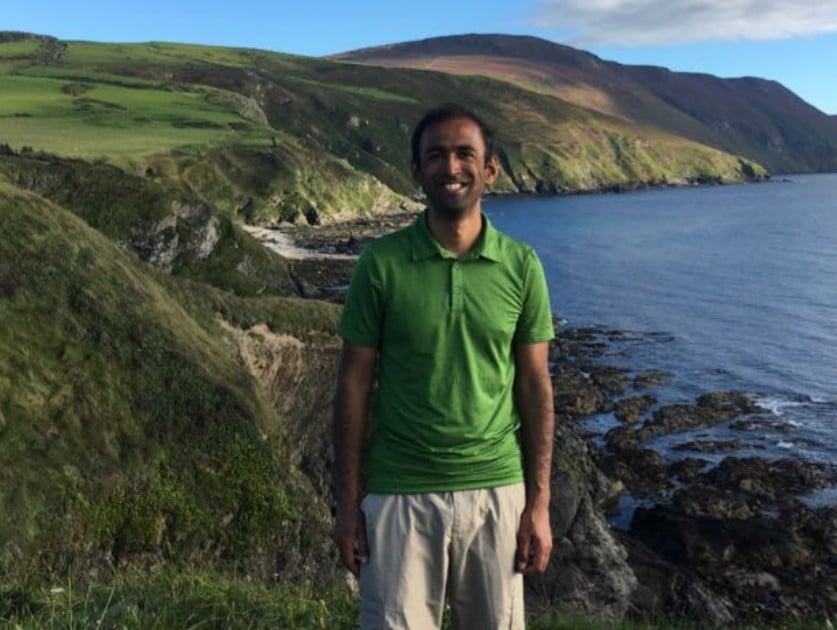
Happy belated Eid ul-Fitr to those who have been celebrating in the Isle of Man.
For those of you who don’t know, Eid means ‘festival of the breaking of the fast,’ and marks the end of the holy month of Ramadan. It’s one of the most significant celebrations in the Islamic calendar.
To find out more, I spoke to my friend Zahed. One of the most friendly, positive, and generous people I know. He’s one of those admirable souls that can manage to be around drunk people on a night out while remaining perfectly sober and content nursing a Tango that will stay out until 4am to make sure you get home alright then get up at 7am for a five-hour kayak around The Sound.
‘So, if someone has never heard of Ramadan before I think it’s good way to becoming closer to Allah or your God but if you’re not religious then it’s a good opportunity to “cleanse” the soul and encourage good habits, make changes to the way you live your life in a positive manner. Even if you’re not religious fasting does have many health benefits as well!

I, personally, cannot fast. I once tried the 5-2 diet because I heard Benedict Cumberbatch was on it to stay in shape for Sherlock and I wanted him to marry me so figured copying his diet would be the fastest (no pun intended) route to getting noticed. By midday I was ready to stab someone with a colander from hanger and by 12:20 I’d given up and eaten half a tub of Biscoff Spread with a spatula even though I had access to a spoon.
‘Fasting during Ramadan is one of the 5 pillars of Islam. The others being declaration of faith, prayer, donation to charity, pilgrimage to Hajj. As part of Islam, it’s obligatory to fast during the holy month of Ramadan. Although there are exceptions, for example if you’re very young, elderly, unwell or if you’re pregnant. Ramadan falls back 10/11 days every year because it’s based on a lunar cycle which has 29 or 30 days in a month rather than the solar calendar.’
I asked Zahed how he finds fasting for such a long period of time and how it impacts his day-to-day life.
‘During the course of Ramadan, I just carry on working. In fact, I just try and live my life normally as much as I can. I would have to say the most difficult part for me is the lack of water and in the late afternoon sometimes it does become harder to concentrate. Although I’m used to people eating and drinking nearby it’s more difficult if the food has a lovely aroma! I also limit my exercise routine, so I’m not totally exhausted.’
Zahed is an avid sports person and fellow netball player.

I remember being worried he was injured when I saw him not playing on a Sunday morning until he explained it was Ramadan. Smart decision to abstain from an hour-long netball match at 9am when he wouldn’t be able to re-fuel with water or food until the evening. Whereas I once threatened to kick a child walking slowly in front of me in town after skipping lunch, Zahed remains unwaveringly chirpy on an empty stomach. He tells me that knowing other people are fasting with him makes it easier.
‘This might sound strange, but I feel like after a few days into Ramadan I become accustomed to fasting. I even get used to waking up early in the morning at 3am for ‘suhoor’ which is the time to eat before the fast begins every morning. When breaking the fast I go to the Mosque regularly, with other members of the Muslim community. It’s lovely, a really lovely atmosphere and nice to see how everyone is doing.’
‘What does Ramadan mean to you?’ I asked.
‘Ramadan helps to refocus our lives, make sure we pray, read the Quran (the Muslim holy book), be kind and helpful to others, think of the less fortunate and generally try to become better human beings. I also donate items to charity, whether these are clothes, household items I no longer use, instead of hoarding them.’
Guilt runs through me as I think of the piles of DVDs sitting dusty and unused under the stairs. How are you going to celebrate the end of Ramadan?
‘Eid ul fitr will take place once Ramadan’s has finished. This is a day of celebration. Like other Muslims I’ll go to the mosque in the morning for Eid prayer thanking Allah and then come back home to celebrate with family. There is a feast waiting at home, my mother will usually make a banquet of different foods and will often visit relatives/friends and provide gifts of food and seeing how everyone is doing. I also make donations to charity to those who are less well off, so helping them in their lives.’
Listening to Zahed instils in me a motivation to be better and do more. He tells me he’s in Liverpool to mark the end of Ramadan with his family. And I bet he ends up going for another early morning kayak after Eid celebrations.
From us at Gef, we hope you had a very happy Eid ul-Fitr.


50 Years, Three Generations And Thousands of Windows

Josh Secures £300k Backing For Gaming Venture

Review: ‘Easily Tom Holland’s Best Outing As Spider-Man’

New Hotel Plan for Peel

You must be logged in to post a comment.