
Health
Prescriptions for Cheaper Items to End
The current cost of a prescription is £3.85 per item, compared to boxes of paracetamol that are available for less than £1
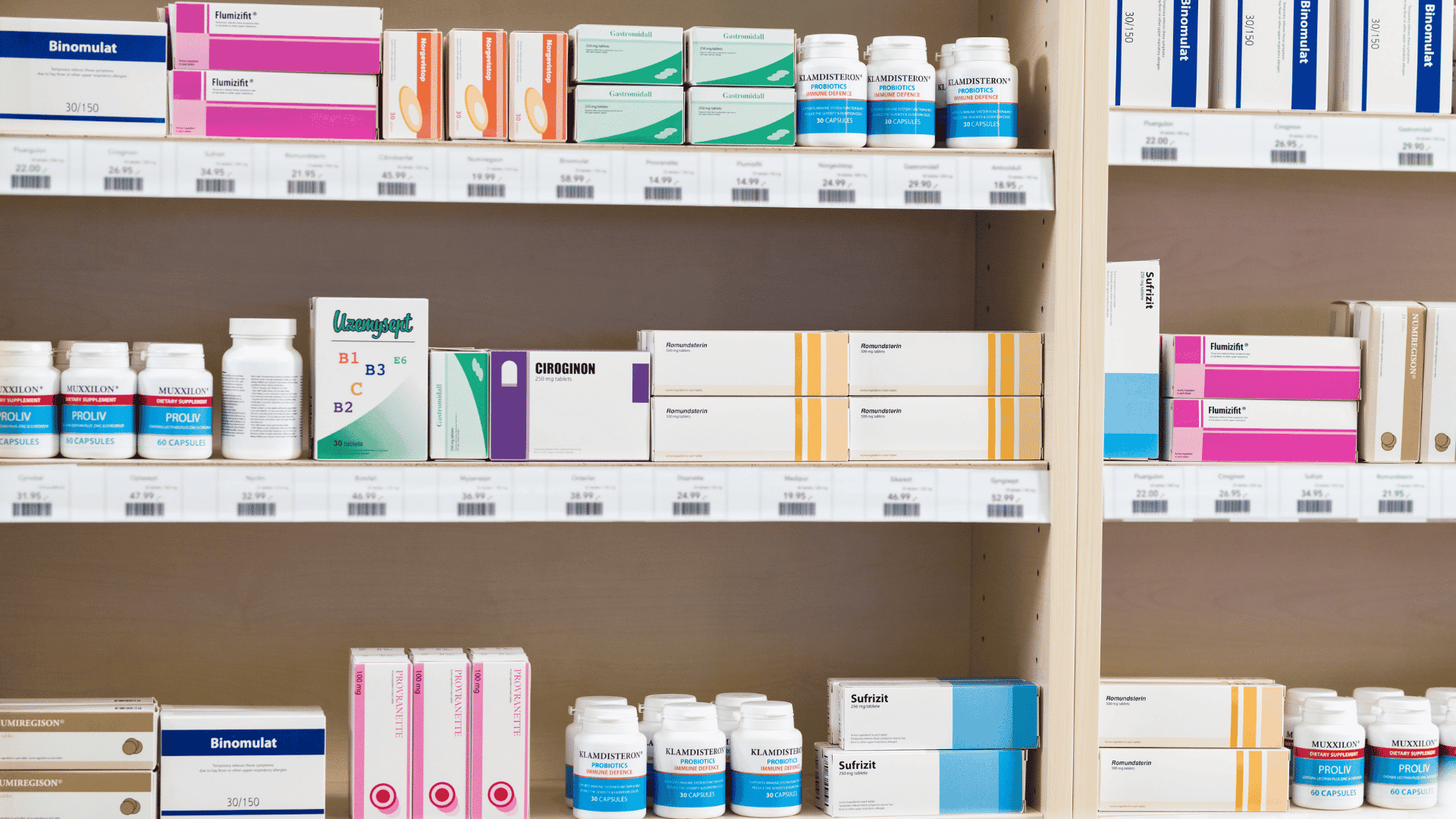
Patients will no longer receive prescriptions, for minor conditions, if the medication is readily available over-the-counter (OTC) in pharmacies or supermarkets.
Instead, from January 29, they will be advised which treatments or medication to purchase by their GP, Nurse or Community Pharmacist.
This will primarily affect medications such as paracetamol, throat lozenges or vitamins, and conditions such as cystitis or dandruff. These items are often cheaper to buy directly when compared to the cost of a prescription.
The current cost of a prescription is £3.85 per item, compared to boxes of paracetamol that are available for less than £1 over the counter.
Any patients using OTC medications as part of the management or treatment of a more long-term condition will continue to receive it on prescription.
Minister Lawrie Hooper MHK said: ‘This policy is a step in the right direction to ensure we’re providing an efficient, accessible and sustainable service – and that we’re using our resources effectively. I’d encourage everyone to make better use of the wealth of experience and advice available to us all at our local community pharmacies and other services available in the community.’
Manx Care has developed guidance for patients, and for clinicians to help signpost accordingly.
Maria Bell, Pharmaceutical Adviser for Manx Care, said: ‘We hope that this will build upon the wider awareness campaign to help the public make greater use of existing Community Pharmacy services on the island. These changes support the strategic plan for Health and Social Care, aspiring to ensure that people receive the right care, at the right time, and in the right place.
‘We would like to reassure patients that Pharmacists will always advise those with more concerning or serious symptoms (”red flag symptoms”) to access more appropriate and urgent care. Additionally, if symptoms are not improving or responding to treatment, patients will be encouraged to seek further advice.’


50 Years, Three Generations And Thousands of Windows

Josh Secures £300k Backing For Gaming Venture

Review: ‘Easily Tom Holland’s Best Outing As Spider-Man’

New Hotel Plan for Peel
