
Community
Unseen and Unappreciated
Crossroads and the DHSC have conducted a survey of 566 carers across the island
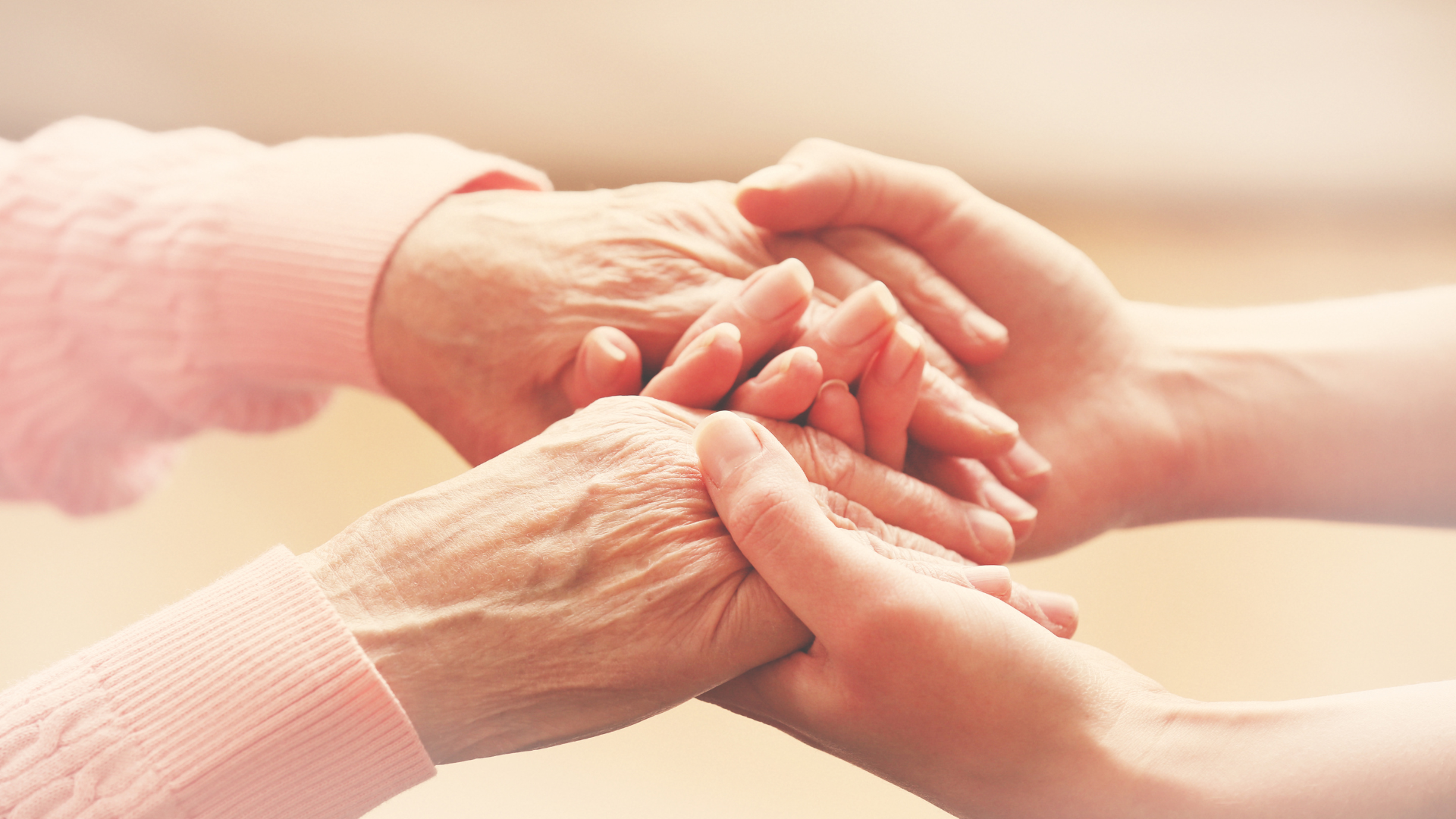
A report into the state of caring on the island has laid bare the financial, physical and mental strain placed on carers.
Crossroads and the DHSC have conducted a survey of 566 carers across the island, however, the results don’t point to anyone under 18 having responded.
While the carers are all dedicated to the people that they willingly assist, 75% said they are worried about feeling tired and 82% said their own health has suffered and 77% said they are worried about feeling stressed or anxious.
Carers said: ‘Being a full time carer is physically and emotionally draining.’ ‘My mental health has been severely compromised.’ ‘Although my role as a carer can be physically demanding, I often find that trying to lift my wife’s mental spirits is very difficult and upsetting.’
While respite care is available for some, 60% of carers said they had not taken a break and, of those, ‘33% said they hadn’t tried to take a break because they thought it was too difficult’. Of those who could take a break, 17% said it wasn’t long enough for them to be look after their own physical or mental health.
One respondent said: ‘When I do take a break the preparation before going away, the worry something will go wrong while I am away, lack of support for the person I care for while I am away all make for a less than restful break.’
The survey found that 38% of the respondents are providing care for 100 hours or more each week, 5% for 80-99 hours, 7% for 60-79 hours, 12% for 40-59 hours, 15% for 20-39 hours, 14% for 10-19 hours, and 9% for 0-9 hours.
Health Service
Over a third (37%) of respondents said that they didn’t think healthcare professionals take them seriously or understand their situation, this is up from 20% in a 2018 report.
A respondent said: ‘I feel exhausted. I am constantly vigilant to my husband’s health and being responsible for keeping him alive feels like a big weight to carry. I feel the health service do not consider who is caring for the person they are treating.’
When decisions were being made around discharging people from hospital, 44% said they hadn’t been involved the process, compared to 36% who said they had.
However, the report says: ‘Only 13% of responding carers agreed they were asked about their ability and willingness to care, whereas 72% disagreed that they had been asked about this. 67% of responding carers disagreed that they felt they had been listened to about their ability and willingness to care with 12% saying agreeing they did feel listened to about this.’
One respondent said: ‘Appointments and meetings are often scheduled at short notice during the working day. Conversations about discharge should have started on admission, just to allow the family to consider options and what the situation might be when a parent was eventually discharged.’
And another added: ‘My wife was discharged from hospital unable to get to the bathroom alone, unable to stand or walk unaided, unable to shower, to do anything for herself really and nothing was said about how she was going to manage at home. No care plan, no care at all.’
Quality of Life
While most carers say they have a good quality of life, it undeniably is putting a strain on their ability to socialise and live their own lives.
One respondent to the survey said: ‘I am a people person but not having the time to spend with people, has left me feeling very low and emotional and questioning what life holds for me.’
Another said: ‘There is no quality of my life just about providing a quality of life for our child.’
However, others reflected that they believe themselves to be lucky as ‘others are in worse situations’.
Despite this, 84% said their social life had suffered, with 57% saying it had suffered ‘significantly’, of the respondents one said they felt like they had become an ‘unreliable and absent friend’.
Another said: ‘We have no life outside of caring for our child. They cannot be left alone; we have no family to look after them to give us a break. It is relentless.’
Others said: ‘It can be very lonely because friends do not call as often as they did. I cannot go out without my partner, he does not like to be left.’
‘Life as a carer is isolating. Only other carers can really understand the impact it has on your life and mental health.’
The report said: ‘When asked if there was anything that would help them to feel less lonely, 59% of responding carers said more understanding and recognition from society about the role of carers would help, and 53% said being able to take a regular break would help.’
The survey continues to demonstrate the concerns and fears of carers, one said they don’t think about the future as they find it ‘frightening’, another said they were ‘worried and scared’, one person even said: ‘I take life one day at a time and don’t look to the future as that would make me cry!’
Others reflect that they are ‘unimportant, unseen, unappreciated, I’m just a carer, not a person’, some said that the social stigma attached to benefits had also caused problems for them, as some people see them as ‘scroungers’, despite the invaluable assistance they are providing.
Support
While support is available, many carers say it simply isn’t enough.
It also highlights the financial strain on carers, with a third saying they cut back on essentials such as food and heating and being in debt due to an inability to work full-time hours.
One person said: ‘Carer’s Allowance, DLA [Disability Living Allowance] and EPA [Employed Person’s Allowance] are not enough to survive, especially now the cost of living is too high.’
The survey found that 63% of respondents weren’t aware of what support was available to them.
However, of those who did use services, they said they were too inflexible and not enough.
The report said: ‘Nearly two thirds of responding carers (63%) said they felt uncertain about what services and practical support they may be able to access in the next 12 months, and 60% said they were worried that services would be reduced. 48% of responding carers said they were worried they may lose access to voluntary services due to funding constraints, and 59% said they were worried they won’t be able to afford services or practical support in the future.’
What Carers Do
The vast majority (84%) were providing practical support, such as help with washing and eating, while 82% provided emotional support and 79% help with coordinating and/or arranging care and support, medical appointments and other help, 34% cannot leave the person(s) they care for on their own, and 42% can only leave the people they care for on their own some of the time.
Of the respondents, 66% are married or in a domestic partnership, 27% have responsibility for a non-disabled child under 18 years old and 23% have a disability themselves. Furthermore, 47% are a parent to the person they care for, 30% are a spouse or partner, 19% are a child, 3% are a sibling, 2% are a grandparent, 2% are a neighbour or friend, and 2% are another family member such as an aunt or cousin.
The Future
In 2015, a report into carers in the UK found that the total care provided was estimated at a cost of £132bn a year, more than the entire NHS England budget.
Crossroads’ report said: ‘In the Isle of Man, the number of carers continues to rise. With our health and social care system under increasing pressure to meet the needs of our Island’s residents, now and in the future, it is imperative that the carers within our community are adequately supported to ensure those who need care are able to remain independent in their own homes for longer.
‘In November 2022, the Department of Health and Social Care’s 2022-2023 department plan, published a vision to provide ‘Right Care, Right Time, Right Place’. Furthermore, one of the departments three priorities places an emphasis on ‘supporting care at home and in the community’ with a view to ensuring communities have accessible services and support networks that enable people to remain at home for longer and avoiding reliance on hospital based services.
‘The results of the survey highlight the importance of a developing a strong working partnership between government and the third sector in order to produce meaningful improvements and better outcomes for carers. This will mean that for carers, they will be provided with appropriate support to allow them to undertake their roles so they can balance their own needs whilst caring for others.
‘Crossroads and the Department of Health and Social Care are now actively working to develop a National Carer Strategy and Delivery Plan.Over the coming months, this partnership will establish the key themes and actions required to address the challenges faced by those in a caring role with the intention of releasing the Carer Strategy and Delivery Plan in Summer 2023.’


50 Years, Three Generations And Thousands of Windows

Josh Secures £300k Backing For Gaming Venture

Review: ‘Easily Tom Holland’s Best Outing As Spider-Man’

New Hotel Plan for Peel
