
Education
Above Average Radiation Levels Found in Schools
The naturally occurring radioactive gas is present in the air of all buildings at varying levels
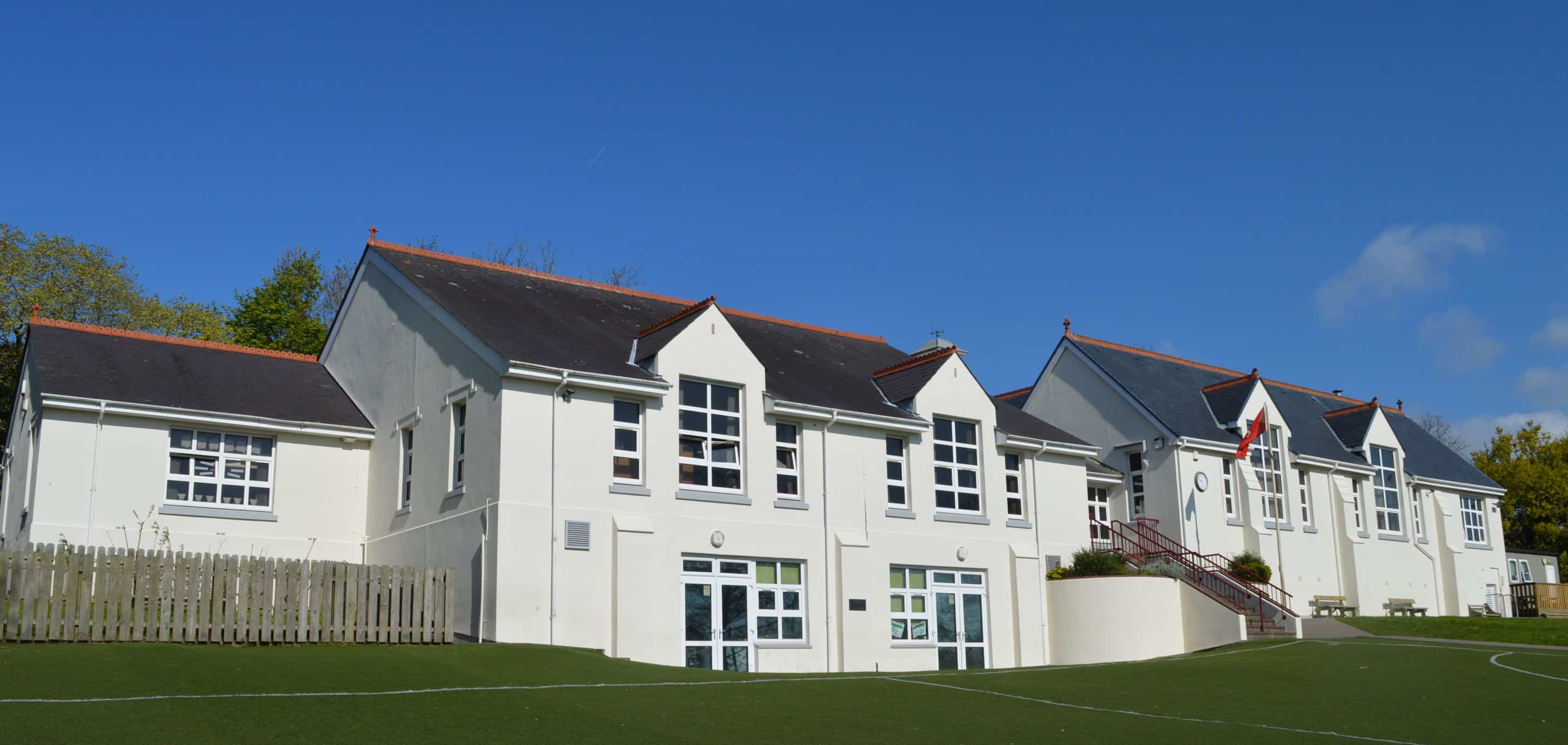
A small number of rooms in five Isle of Man schools have been found to have above-average radon levels, but there are no immediate health concerns.
The naturally occurring radioactive gas is present in the air of all buildings at varying levels and comes from naturally occurring uranium in the ground and some building materials.
All of the island’s state schools and UCM underwent testing this summer as part of the gov’s legal obligation to limit exposure to radon.
Upon analysing the data, the UK Health Security Agency said that 97% of rooms were well within the legal limit but minor issues were found in 14 rooms, including a classroom, staff room and caretaker’s office.
The minor exceedances were found at Kewaigue, Scoill Vallajeelt, St Johns, St Thomas’ Church of England, St Ninian’s and UCM where staff, students, and parents have been duly informed.
If the average radon level in a workplace exceeds 300 becquerels per cubic metre of air in any location, the Ionising Radiations Regulations 2017 (IRR17) apply.
The levels recorded in the 14 affected rooms within school buildings vary from 320 to 950 Bq/m³.
The DESC has appointed a qualified radon expert to devise an action plan. This will involve minor works in affected rooms, with clear communication to be provided. Upon completion, the affected schools will be resurveyed.
A spokesman for the UKHSA said: ‘The results are similar to many other schools and workplaces tested across the UK, and established procedures should be followed.’
Education Minister Julie Edge said: ‘The department is committed to upholding the highest standards of health and safety. I want to reassure students, parents and staff that the risk in the school environment is low and the early appointment of a qualified radon expert demonstrates we are taking immediate action.’
Interim Director of Public Health, Professor Hugo van Woerden, added: ‘While short-term exposure to radon in schools might not immediately pose significant health risks, repeated or prolonged exposure to high levels, over an extended period, could potentially have adverse health effects.
‘Health organisations like the World Health Organization (WHO) and the Environmental Protection Agency (EPA) have established guidelines and recommendations for acceptable levels in indoor environments, so it is essential for schools and public buildings to be regularly tested and action taken where necessary to ensure the health and safety of the people that use them.’


50 Years, Three Generations And Thousands of Windows

Josh Secures £300k Backing For Gaming Venture

Review: ‘Easily Tom Holland’s Best Outing As Spider-Man’

New Hotel Plan for Peel
