
Politics
Access to Mental Health Services a Significant Issue for Young Offenders
Gary Roberts was appearing in front of the Constitutional and Legal Affairs and Justice Committee, chaired by MLC Tanya August-Hanson.
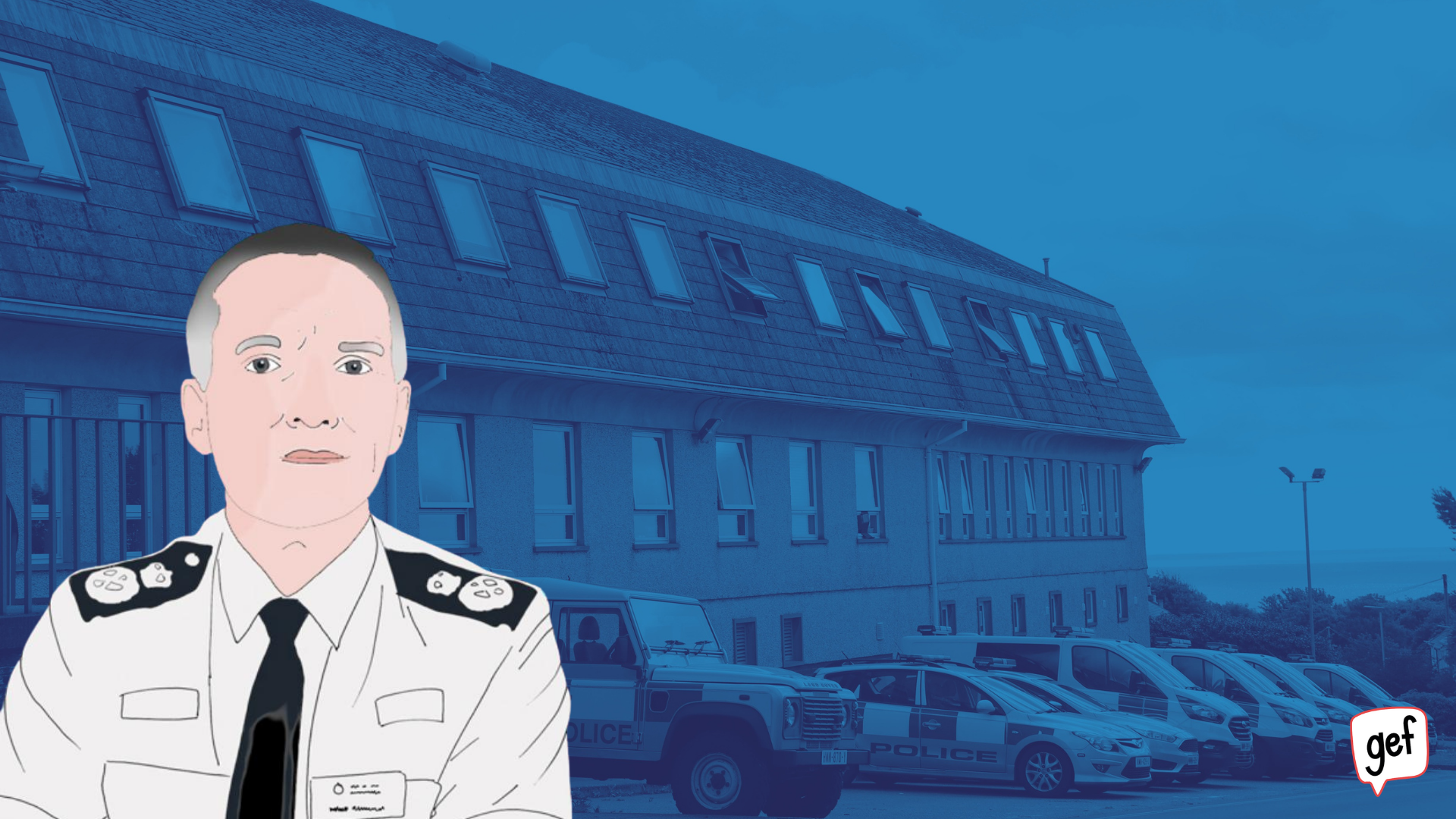
The Chief Constable has said re-offending rates amongst young people contributes to highlighting the importance of accessing mental health services.
Gary Roberts was appearing in front of the Constitutional and Legal Affairs and Justice Committee, chaired by MLC Tanya August-Hanson.
Mr Roberts said that in 2020/21, up to the end of March 2021, 315 young people went into the scheme to deter young offenders. This year, ‘up to last Friday’, he said there were 323.
He added: ‘Of that 323, 33 have gone on to commit other offences, so that’s about 11% reoffending rate. When we strip it all away, there are 164 who entered the juvenile court system last year, of that 164, we would deem 27 of them to be persistent and quite complex characters and those 27 between them commit an awful lot of the offences on the island.
‘So if I go back a year, to the end of March 2021, the 16 main offenders at that time committed 275 offences. Fifteen of those 16 were male, one was a girl, 13 had significant mental health problems, 11 were long term drug misusers and two had significant alcohol problems, so these are very young people who have significant issues.’
The nature of these offences mostly included criminal damage, thefts and minor assaults, with alcohol the most commonly stolen commodity and some of those regular offenders have been arrested several times.
Middle MHK Stu Peters asked the Chief Constable whether he was able to expand further on the type of mental health issues these repeat young offenders are living with.
Mr Roberts said that type of data isn’t available but that it showed the importance of people being able to access the help they need.
He added: ‘We often see young people who, because of the lifestyle they’ve lived, because of how they’ve been brought up, find themselves struggling in all manner of ways with their mental health and often they come from families where there are mental health problems.
‘Accessing the mental health services at an early stage is a significant issue for many of these young people.’
Adverse Childhood Experiences
Mr Roberts first raised the issue of adverse childhood experiences in his annual report about four years ago. This follows from research in America which showed that children who grow up in homes where there is the misuse of drugs or alcohol, domestic abuse or other issues, are more likely to have poorer life outcomes.
He told the committee: ‘Many young people will be exposed, at some point, to one or two of those things, if they start to be exposed to four of five of them, then without some sort of proper intervention, they will be damaged.
‘The last administration tried to pick this up, but it didn’t really go as far or as well as any of us wanted I think. For me, when we talk about long-term reduction of crime, offending, protecting vulnerable people, dealing better with health outcomes, we need, as a community, to get better at adverse childhood experiences, I have absolutely no doubt at all about that.’
Mr Roberts noted that this is also evident amongst many older offenders who have issues that can be traced back to childhood traumas.
Re-Offending
The Chief Constable outlined that many young people stop offending when they and their families are first contacted by the police after a first offence, which is usually minor. However, some others go on to be prosecuted in the Juvenile Courts.
Mr Roberts said: ‘In the 2020/21 year, 26% of adult offenders re-offended, 33% of young offenders did, so slightly higher. This year, 24% of adults have reoffended, 50% of young people have reoffended, that’s a significant difference.’
Clarifying those figures, Mr Roberts said: ‘Of the young people who have come into the system, either into the system and gone onto a diversionary scheme or into the system and the juvenile court, half of them have reoffended, within a year, at some point within the year.’
Why The Increase?
Mr Roberts said the increase in the number of young offenders year on year was largely not down to a difference in the behaviour of young people, but rather the way it is policed.
He said: ‘There are two things. One is that if I went back several years on the data, the link scheme would say there were 175 people on it. To a significant degree, the increase in number is not because of the behaviour of young people, it is about the behaviour of police officers. It is about police officers referring young people when they need to be referred, so the new IT system played a part in that.
‘Revitalising the scheme was also important for us because we wanted to ensure we got a grip of young people that were in danger of becoming offenders at a very early stage. So the figures sound high, but they sound about right to me professionally.’


50 Years, Three Generations And Thousands of Windows

Josh Secures £300k Backing For Gaming Venture

Review: ‘Easily Tom Holland’s Best Outing As Spider-Man’

New Hotel Plan for Peel
