
Politics
Black Lives: The Subject Matter
Ahead of the Isle of Man Black Lives Matter Protest tomorrow, Erin Dimelow has written this informative article – giving context to the movement, systemic racism and explaining how you can be actively anti-racist.
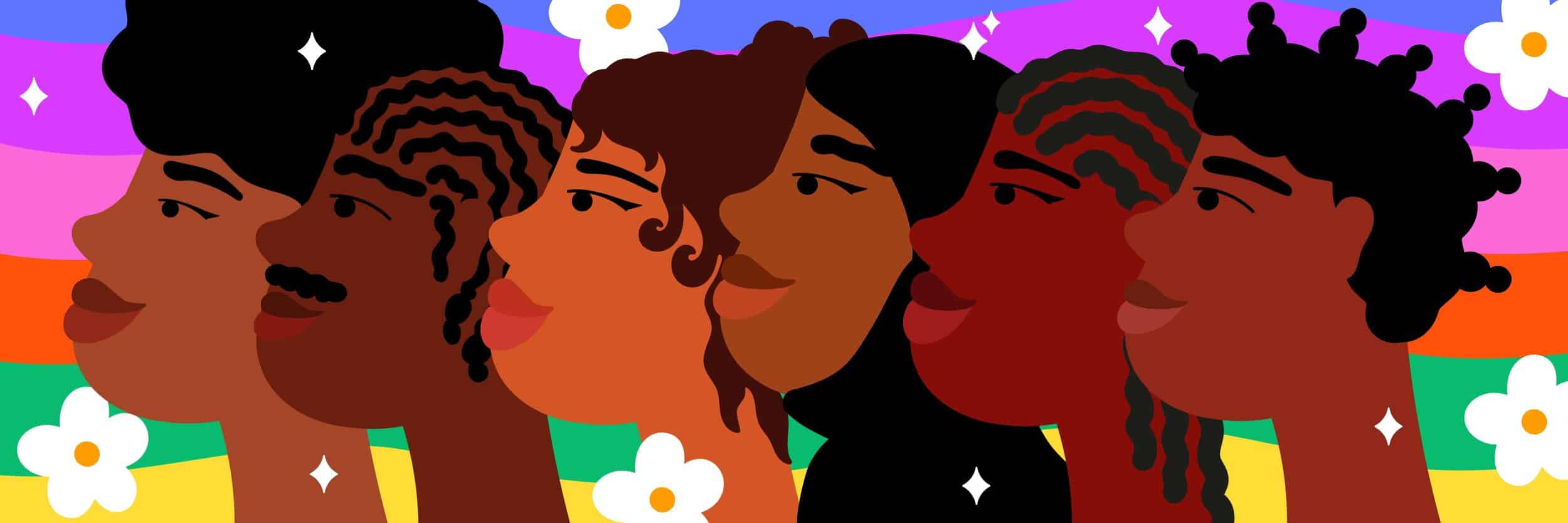
The uprisings that have been taking place across the United States of America over the past two weeks are denouncing racism and an unjust system that has endured for decades, if not centuries. Peaceful protests began taking place following the death of George Floyd at the hands of four police officers, prompting countries around the world to reflect upon their own tribulations and to march in solidarity with the Black Lives Matter movement.
The Black Lives Matter movement advocates against violence and systemic racism towards black people. The oppression and discrimination of black people for hundreds of years has led to numerous protests for equal treatment. Most recently, peaceful protests have manifested into uprisings, ensuing a dramatic escalation of police brutality and further indignation, as protestors continue to strive for justice and equality.
While the majority of our Island’s community are expressing their support for BLM and our black community; others sustain the belief that racism does not exist on the Isle of Man. Members of our own community have been bravely coming forward detailing personal experiences of racism that have occurred on our island, harrowing tales most of us have been completely ignorant to, substantiating that racism remains prevalent not only across the world, but here within our small population.
Many continue to misinterpret the Black Lives Matter title, crying out, “All Lives Matter!”. While yes, of course all lives matter, BLM is a fight for equal rights and equal treatment. To live without prejudice, injustice and unfairness, where the system is not built against you. There have been several analogies explaining why “All Lives Matter” is inappropriate when discussing the BLM movement, these may offer a more fathomable perspective and help diminish the false interpretation of reverse racism.
If a house is on fire, and you say “All houses matter”, would you expect the fire brigade to visit every other house too, despite only one being on fire? They wouldn’t. If there was an event raising money and awareness for breast cancer, and someone scorned, “What about prostate cancer?”, they’d be met with confusion. What if you were discussing your sick child’s illness and someone with a healthy child exclaimed, “but what about my child?”. It would be absurd and incongruous given the context. We are fighting for black lives because they’re the ones being persecuted and brutalised, not ours.
Another example of this misinterpretation lies within Feminism, a movement that strives for equality between men and women, yet individuals argue that the title refers to the female and thus is unequal, completely missing the point. All lives do matter, yes, but the oppression and ongoing racial profiling of black lives is what is being fought against right now. All lives include black lives. ‘All Lives’ will not matter until Black Lives Matter too, and the 500+ years of violent institutional racism extending across the world shows us that this is not the case.
The phrase ‘white privilege’ appears to have strong negative connotations that antagonise the demographic itself. White privilege is not a derogatory term, the word privilege can be misleading as it suggests an absence of personal struggles, leading to a self-justifying retort. White privilege refers to an inherent societal privilege, whereby white people benefit over non-white people in a long-established bias system. It is the ability to leave your house without fear of verbal abuse, being beaten, arrested or killed due to the pigmentation of your skin. It is not being denied opportunities because of your ethnical name or background, despite possessing high level qualifications and the Equality Act being in place. It is where a suspected counterfeit $20 bill doesn’t result in a police officer kneeling on your neck for 8 minutes and 46 seconds, without following proper due process in the presumption of innocence.
In the US, racism against blacks has been indoctrinated, systemised and codified into the constitution. After the civil war, the passage of the thirteenth amendment to the United States Constitution abolished slavery, “Neither slavery nor involuntary servitude, except as a punishment for crime whereof the party shall have been duly convicted, shall exist within the United States, or any place subject to their jurisdiction.” leaving a loophole stating a person charged of a crime loses their liberty and can be used for labour, thus becoming a slave. This loophole became a solution for economic crises in the USA, with a surge in arrests of black people for petty crimes such as loitering and vagrancy, forcing them to work under convict leasing. Shortly followed by Jim Crow’s segregation, racial prejudice has persisted; the war on drugs in which blacks were arrested for possession of crack, while the prosecution of whites for cocaine were seldom, to the three-strikes law and mass incarceration that remains present to this day. The Moynihan report, The Negro Family: The Case For National Action (1969), surmised that the gap between blacks and most other ethnic groups in American society was widening, fifty years later his conjecture is justified in statistics across the board. This is not to say that other ethnic minorities have not suffered injustices, of course they have and still do, yet while admitting their own experiences of discrimination, they acknowledge the ongoing persecution of blacks as pervasive and severe. Ethnic minorities are expressing solidarity with BLM, recognising that the civil rights protests paved the way for many, and if we can break racial prejudice for one, it can permeate throughout others.
“Those issues aren’t present in the UK, that’s the United States’ problem”, wrong. Racial heritage began long ago with British colonisation, and it was Britain too who industrialised black slavery. There is no denying systemic racism is equally as rampant in the UK as it is in the US, and the Isle of Man is in no way guiltless of racial prejudice. Irrespective of geography, the acceptance that racism can no longer be tolerated is evident from recent personal statements of racism experienced on the Isle of Man. We must support our community and demand fairness, as the chief constable Gary Roberts recently expressed, “Not being racist is no longer enough”.
Black Lives Matter is not a rejection of worth for all other life, it is a fight for the same rights and way of life whites already have. If you have ever faced injustice, unfairness, discrimination, or prejudice, the thoughts and emotions felt should be translated into understanding, empathy and compassion for minorities and blacks whom experience this inequity throughout the duration of their lives.
As a positive of the BLM movement and the recognition of ethnic minorities on the Isle of Man, a twitter account has been created to offer a welcoming and judgement-free platform where people of colour can voice their experiences of racism on the Isle of Man, emphasising issues affecting the POC community to better educate and provide a centralised voice. It is a space where people of any background and race can come together to learn, grow and move towards a more open and welcoming society for all.
https://platform.twitter.com/widgets.js
No one is born racist, and it can be unlearned. There is an overwhelming amount of podcasts, books, films, documentaries that can be explored, felt and understood.
In order for positive progression, we must educate and enlighten.
The time for change is well overdue.
50 Years, Three Generations And Thousands of Windows

Josh Secures £300k Backing For Gaming Venture

Review: ‘Easily Tom Holland’s Best Outing As Spider-Man’

New Hotel Plan for Peel
