
Politics
Chief Constable’s Pay Warning
In his opening remarks, Mr Roberts praised his officers as ‘remarkable public servants’.Â
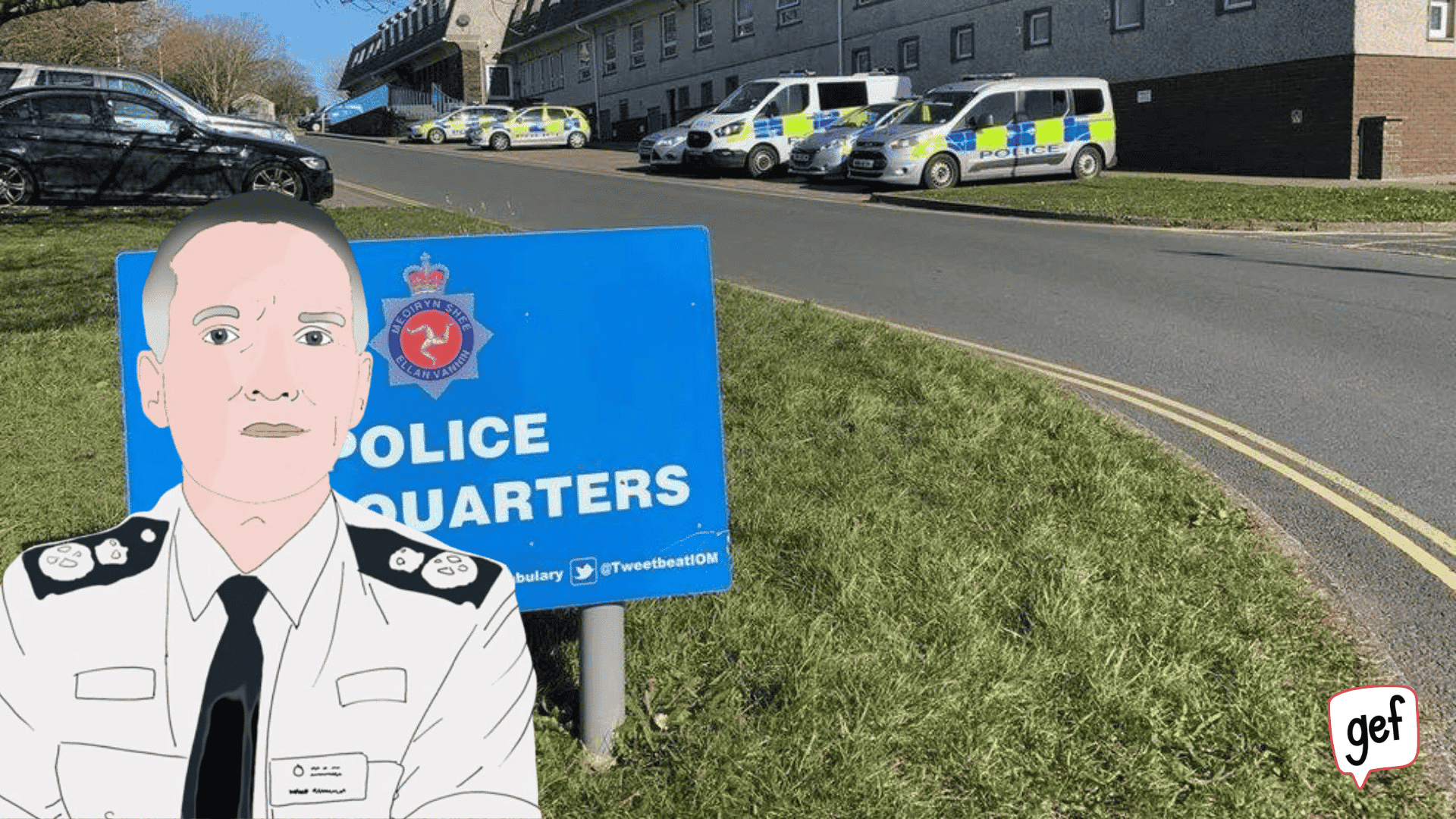
Chief Constable Gary Roberts has used his final annual report to warn of a potential crisis facing the constabulary as officers face a real-term pay cut.
The report comes as he is due to retire at the end of the year, after 10 years as the island’s top cop.
In his opening remarks, Mr Roberts praised his officers as ‘remarkable public servants’.Â
However, he added: ‘I worry for their future, though: police officers have had a real term pay cut of close to 20% over the last decade or so and life is really difficult for many young officers, who now have little disposable income and few chances of establishing themselves on the housing ladder.
‘Without change, a crisis may emerge.’
For context, student constables start on £24,000, with Mr Roberts saying ‘many young officers cannot find their way onto the housing ladder’.
However, this issue is not isolated to young officers, with more officers, including sergeants, telling Mr Roberts that they are struggling with some being left with little or no disposable income, and struggling to afford a social life or afford dental treatment.
He added: ‘I accept that very many people are suffering because of the lasting effects of the pandemic and because of inflation, but the damaging consequences of low police pay could be felt across the community for a long time.
‘Fewer officers, fewer good officers, poor morale and even, in a worst case scenario, corruption were all unintended consequences the last time police pay fell in real terms, which was in the 1970s.’
He also used his report to warn politicians that while it could be tempting to cut the policing budget, this would only serve to cut local policing, with the impact most being felt by young and vulnerable people.Â
Unremarkable
All told, Mr Roberts said the year was unremarkable for the police. Crime fell by 6%, detection rate rose by 3% and burglary fell by 40% to its lowest levels in decades.
The Chief Constable said that the 18% increase in reports of sexual offences ‘was driven by increasing numbers of people who had the confidence to come forward’. He added that this equates to fewer than two reports a week.
He added: ‘Progress to establish a sexual assault referral centre (SARC) has been slow, with the covid-19 pandemic being partly to blame. However, during the 2021-22 year a specialist doctor was employed on a full-time basis to provide a service to those who have been raped or sexually assaulted.
‘This was a major step forward and, with the SARC likely to become operational in 2023, the service that victims and survivors will receive will be as good as it can be.
‘Experience elsewhere suggests that the opening of the SARC will lead to something like a doubling in reports.’
However, the detection rate for rape in the year 2021-22 fell to just 5%. While this is still higher than the UK average, Mr Roberts said that ‘for several years IOMC has detected about 20% of all rapes reported to it’.
Accepting that this may cause alarm, Mr Roberts has broken down the 26 reported rapes for the year 2021-22, of which 10 remained under investigation.
Of the remaining sixteen, in four cases the victims did not wish there to be a prosecution; in three cases there was evidence to show that the complainant had not told the truth and in one of these there was a prosecution for doing an act against justice; in one case an offender had died and in another, the victim was too ill for the matter to proceed.
In five of the other cases, the police investigation discovered a suspect and the Attorney General decided that charges were not to be brought. In the remaining two cases there were too many investigative difficulties for a suspect to be identified or for a case to proceed.
Youth
The year also saw a ‘significant upturn’ in the offending and reoffending by teenagers under the age of 18, with 675 offences recorded, all committed by 224 young people.
Of these 675 offences, 275 were committed by just 15 boys and one girl.
Mr Roberts said: ‘Of the sixteen, fifteen were boys, thirteen had some form of a recorded mental health problem; eleven had been known to use illegal drugs and two were known for their abuse of alcohol.’
There was also a marked increase in violent offences (50%) by young offenders, with over half of recorded assaults on police officers throughout the year being carried out by juveniles.Â


50 Years, Three Generations And Thousands of Windows

Josh Secures £300k Backing For Gaming Venture

Review: ‘Easily Tom Holland’s Best Outing As Spider-Man’

New Hotel Plan for Peel
