
Business
Crogga Confirms Plan to Drill Next Year
The company’s CEO is due on island this week.
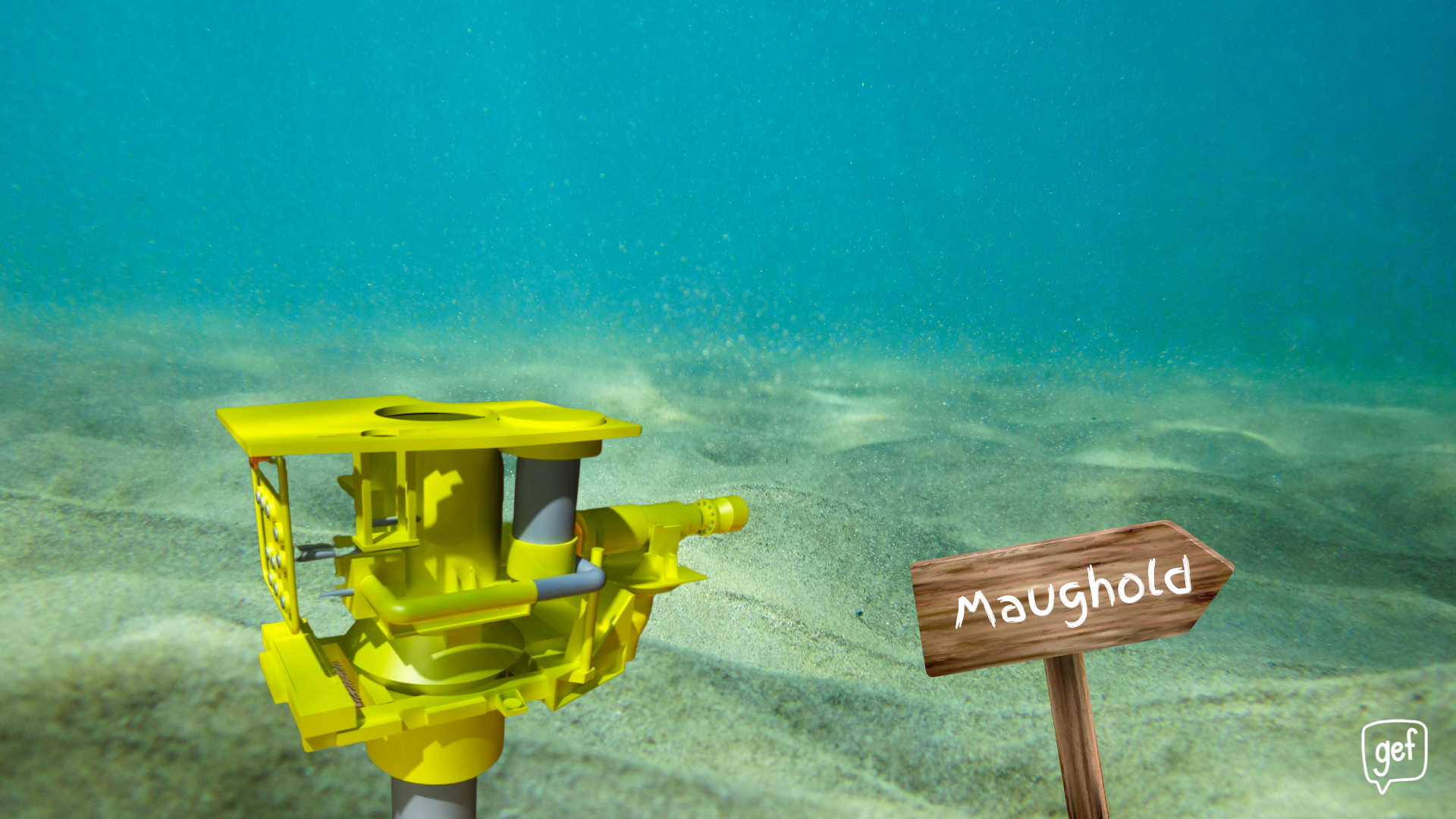
Crogga Limited has this morning confirmed its intention to start drilling for gas off Maughold Head next year, with the company hopeful production will begin in 2026.
The controversial decision by the gov to award a licence to the company has seen criticism from MHKs and climate campaigners.
Under the licence, which was extended by the gov in May this year, the company is committed to acquiring a 3D seismic survey and drill two appraisal wells.
In a statement, Crogga said: ‘The 1982 BP well proved the presence of natural gas in a conventional sandstone reservoir. The Independence well aims to determine the full size of the gas column and to measure the rate at which gas flows out of the ground. This question can only be answered by drilling a well, not by shooting seismic and the outcome is unknown until the well is drilled, logged and flow tested.
‘If commercial production rates are established and the field is as large as hoped, Crogga gas will provide energy independence and a significant increase in GDP for the Isle of Man. Petroleum Production Tax revenues will be generated at no cost and at no financial risk to Isle of Man taxpayers.’
Capping
As well as saying it will boost the island’s GDP, Crogga says it has again committed to cap prices at 80p/therm for domestic customers on the island, saying it will ‘protect the island community from further price shocks’ and ‘bring early certainty to the Isle of Man’s important energy transition plans’.
Spudded
That well, Crogga said, will take three months to complete and will be spudded (apparently this means started) as soon as prep work and gov approvals are complete.
It added: ‘A drilling rig will be mobilized from the North Sea with the aim to spud during 4Q 2023. In the event of success, 3D seismic and further drilling would follow to develop the conventional sandstone reservoir with first production of natural gas as early as 2026. Field development would be a sub-sea completion with little if any infrastructure visible above sea level.’
The company also insists that Manx gas production would have a ‘smaller carbon footprint than the gas currently being imported’ and that the island would ‘avoid greenhouse gas emissions created by LNG transportation and leaks along transcontinental pipeline routes’.
Interestingly, the company makes no mention of the wind farm it told Garff Commissioners it would also be supporting in the area.


50 Years, Three Generations And Thousands of Windows

Josh Secures £300k Backing For Gaming Venture

Review: ‘Easily Tom Holland’s Best Outing As Spider-Man’

New Hotel Plan for Peel
