
Politics
‘Gov Aren’t Listening’ Ahead of Min Wage Rise
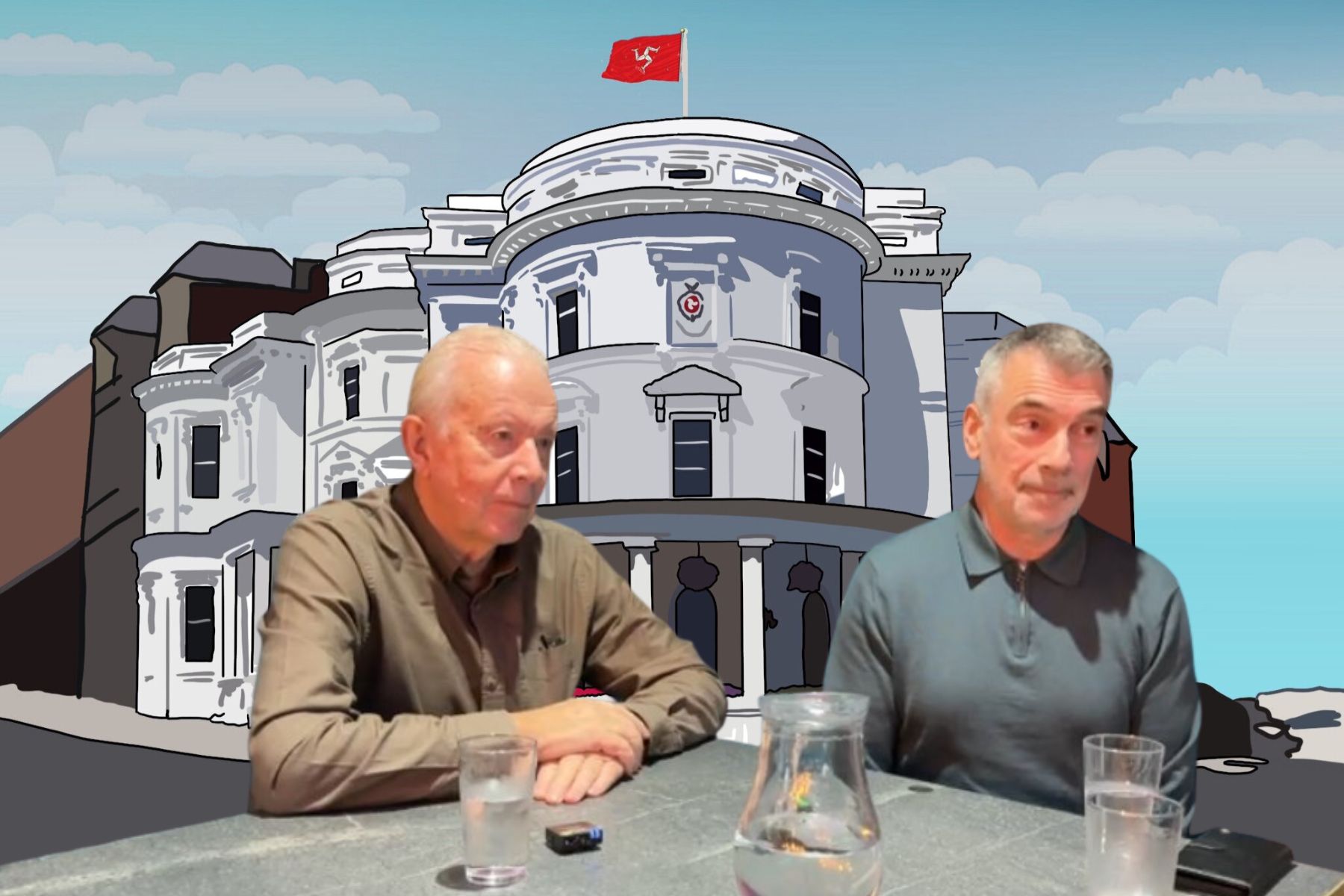
Business leaders are continuing to voice growing concerns over the Isle of Man’s planned increase in the minimum wage to £13.46 an hour from April 2026, warning that the policy risks placing unsustainable pressure on employers while failing to deliver meaningful benefits for low-paid staff.
At a meeting late last year, dozens of business owners gathered at the newly formed Local Economy Forum (LEF), held at the Palace Hotel in Douglas, to debate what they described as a ‘destructive’ approach to wage policy.
The forum, chaired by former MHK Chris Robertshaw and supported by Palace Group chief executive Brett Martin, has proposed an alternative: a lower gross hourly rate of £12.70 combined with a targeted tax credit system.
The group argues the proposed move would allow workers to take home more pay while easing the burden on employers, creating a more sustainable balance across the private sector.
Speaking to Gef, Mr Robertshaw emphasised that the forum was formed out of concern that government engagement with the business community had been inadequate.
‘They simply aren’t listening,’ he said. ‘People out there who know nothing about this might very well say, “Oh, employers would be like that, wouldn’t they?” That’s not the point. This is about how a tax credit system should work to put more money into the hands of employees.”
The forum highlights that, despite the minimum wage increase, tax thresholds for low-paid workers have not kept pace with inflation.
Mr Robertshaw explained that personal tax allowances have risen only modestly in recent years, meaning workers are paying more in tax even as their wages rise.
The LEF’s tax credit proposal aims to offset this, ensuring employees take home more without increasing costs for businesses.
Mr Martin said the current approach could result in hidden costs of up to £3,000 per employee, when national insurance contributions and holiday pay are factored in.
‘Any measures the government puts in place to support businesses often cost more than the alternative we are proposing, without delivering the benefits,’ he said. ‘Our system partners with business to raise incomes while keeping the economy healthy.’
The forum also warned that the minimum wage rise would affect sectors beyond hospitality, including manufacturing, logistics and graduate schemes, making training and staffing increasingly expensive.
Mr Robertshaw added that the House of Keys no longer has the same depth of business experience as in previous decades, which he believes contributes to a more ideological rather than practical approach to economic policy.
Both leaders stressed that they are seeking dialogue with government but so far have found communication one-sided.
‘We want the government to pause and reflect before implementing something that could cause mayhem,’ said Mr Martin.
‘At the moment, we see them digging a hole. All we can do is keep applying pressure with a logical, sensible alternative.’
The Local Economy Forum continues to engage with business owners across the island, calling for policy that supports low-paid workers without undermining the broader economy.


50 Years, Three Generations And Thousands of Windows

Josh Secures £300k Backing For Gaming Venture

Review: ‘Easily Tom Holland’s Best Outing As Spider-Man’

New Hotel Plan for Peel
