
Breaking
MHK Ordered to Apologise
The matter relates to Mr Callister’s time as DHSC minister.
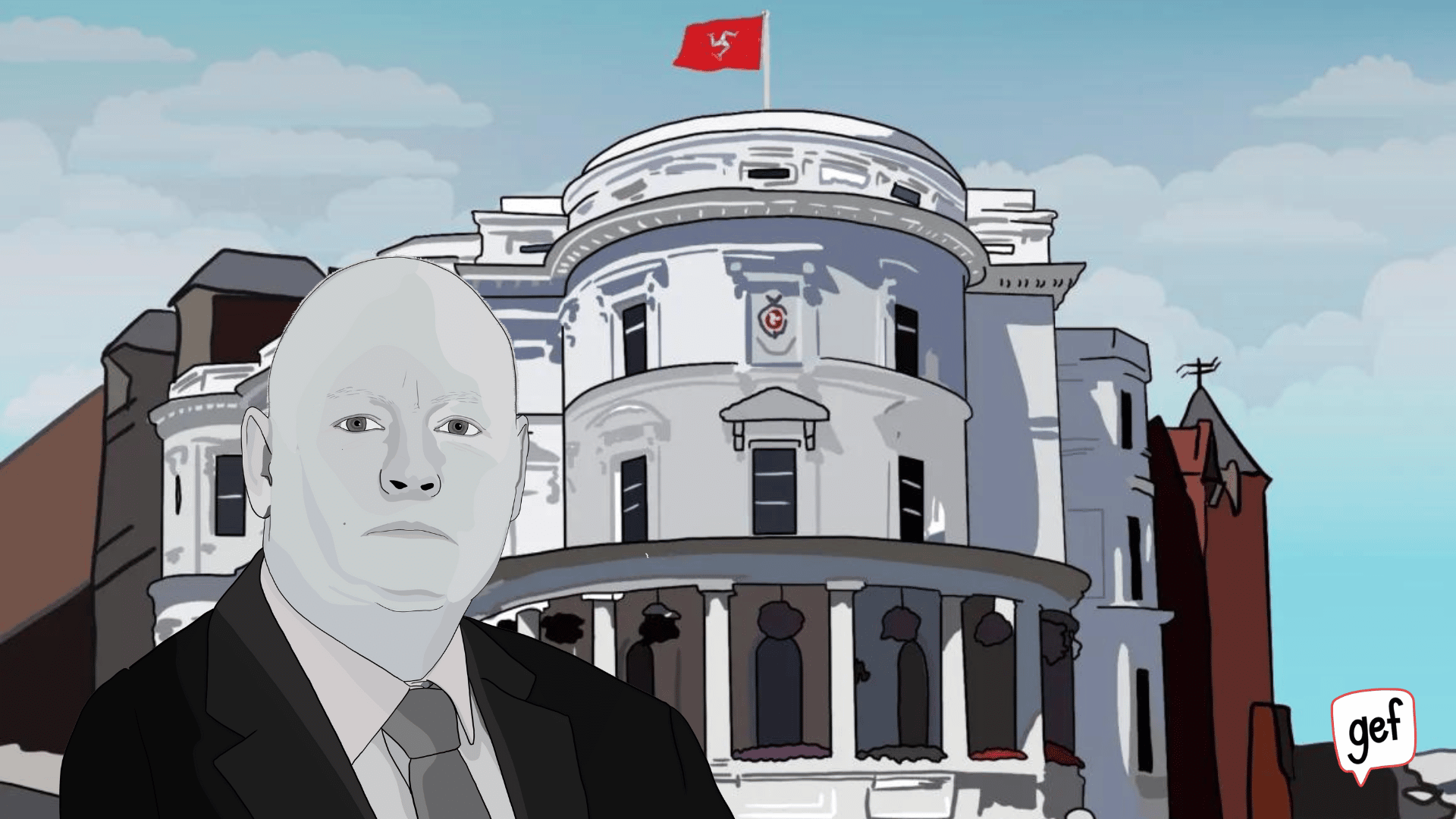
Onchan MHK Rob Callister has been told to apologise for his conduct by a Tynwald Committee.
The matter relates to Mr Callister’s time as DHSC minister. Much of the report was compiled by Mark Egan.
The Tynwald Standards and Members’ Interest Committee has found that Mr Callister ‘breached Tynwald standards of conduct by engaging in repeated inappropriate comments which undermined the right to dignity at work of the civil servants hearing those comments’.
It further said that he ‘breached Tynwald standards of conduct by not acting in a manner consistent with the principle of honesty’.
And that he had ‘breached Tynwald standards of conduct by failing to co-operate with an investigation by the Tynwald Standards and Members’ Interests Committee and in particular by commenting in public on matters under investigation in defiance of a clear instruction from the Committee not to do so’.
The committee didn’t give credence to the fact that what was said was already in the public domain.
On November 10 last year, it was announced that Mr Callister had left CoMin and his role as Minister for Health and Social Care with immediate effect, in effect he was sacked.
Following this, in the November sitting of Tynwald the Chief Minister was asked an urgent oral question relating to recent changes in CoMin. Mr Callister asked a supplementary Question relating to the conduct of certain Members of Tynwald. In response Alf Cannan indicated that he thought the matters should be investigated.
The report questioned whether Mr Callister had behaved inappropriately to DHSC political member Joney Faragher MHK when he said he could lose his temper over an issue relating to a decision not to release a press notice in respect of the inspection of dental practices.
Mr Egan said: ‘Even if the remark were made calmly, in my view it would be perceived as aggressive and Mr Callister must have realised this or should have done so.’
And added: ‘Considering all of the information with which I have been provided, I conclude that Mr Callister did not engage in repeated inappropriate behaviour which could reasonably be regarded as undermining the departmental Members’ right to dignity at work. Nor do I conclude that he engaged in behaviour towards the departmental Members (collectively or individually) which could be considered as harassment.’
Mr Egan also considered comments made by Callister that “if I am going to the gallows over this, I will take my friends with me”, which related to the Dr Rosalind Ranson case, ‘would have interpreted as implying that they would suffer consequences as a result of a decision leading Mr Callister into political difficulty’.
Mr Egan said: ‘At least one civil servant was profoundly affected by Mr Callister’s conduct and genuinely feared that they would lose their job. Mr Callister’s own written response to these allegations is confusing, veering from absolute refutation to explaining how such remarks were not really aimed at civil servants. Accordingly, I find that Mr Callister breached Tynwald standards of conduct by engaging in repeated inappropriate comments which undermined the right to dignity at work of the civil servants hearing those comments.’
Heywood
Also implicated in this report is Rushen MHK Dr Michelle Heywood, the committee found that she had sworn at Mr Callister at a meeting that was also attended by staff.
This was said to have happened following a heated discussion during which Mr Callister had ‘referred to Dr Haywood in a disrespectful manner’.
Mr Egan’s report said that Mr Callister said that he considered it was ‘used with intention and purpose’. However, Dr Heywood said that the comment, which isn’t made clear, was ‘not made with malice or aggression, but was characteristic of her sense of humour and served to lighten the mood of the meeting’.
The committee found that: ‘Directing an expletive term at a political colleague in a meeting attended by civil servants is an affront to dignity at work, even if there are mitigating circumstances. A one-off incident could breach Tynwald standards of conduct, depending on the context in which the incident occurs, the nature of the incident, and, whether a term directed at a Member is particularly offensive. In relation to the incident complained of in this case, we do not find that Dr Haywood breached Tynwald standards of conduct.’
You can find the full report here.


