
Features
The Isle of Man is Failing to Move Forward
by Dr Simon Collister, Co-Founder of Reayrtys – an initiative setting out a more powerful and prosperous vision for the Isle of Man
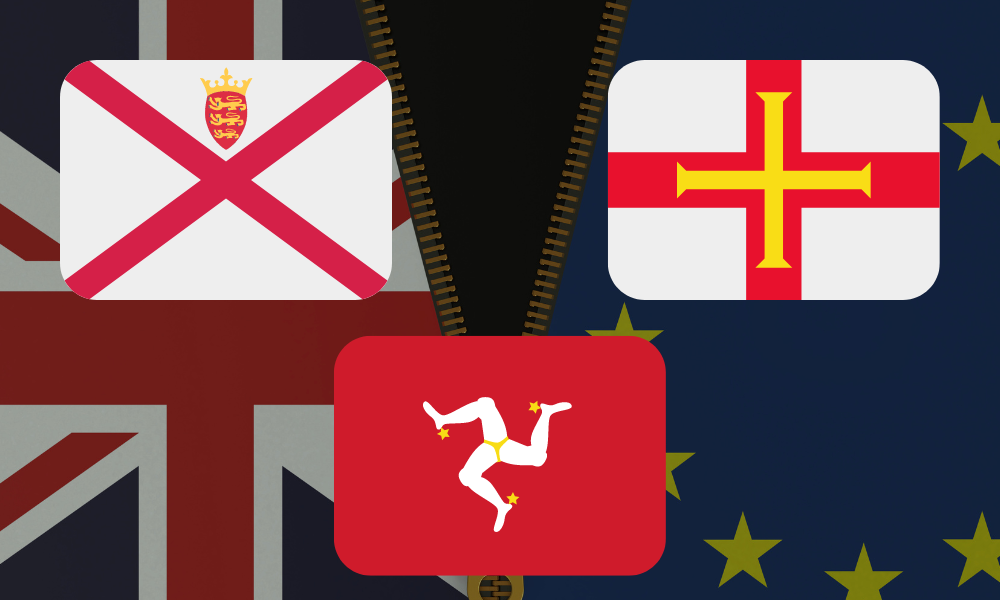
As the Channel Islands tool up for a post-Brexit world, the Isle of Man is failing to move forward.
Last month Chief Minister, Hon. Alfred Cannan MHK attended the UK House of Commons Justice Select Committee, alongside the External Relations Ministers of Jersey and Guernsey.
It was a relatively routine engagement, but the event was significant as it gave a powerful insight into the direction the Crown Dependencies are taking in a post-Brexit world.
Whilst the governments in St Helier and St Peter Port are taking confident strides to drive their countries forward, building international connections and driving growth, in Douglas the appetite for reform appears lacking.
UK understaffed and uninformed
The House of Commons session revealed that while engagement between the UK and Crown Dependencies has improved since Covid, Whitehall departments’ are understaffed and resources are stretched by the UK government taking on additional responsibilities previously handled by the EU.
This has caused practical, and real, challenges that are adversely impacting Jersey, Guernsey and the Isle of Man.
For example, as has been reported, the UK failed to fully include the Crown Dependencies in its recent Trans-Pacific Partnership negotiations. This meant we were not fully included in the final deal – despite our requests.
Correct law-making procedures haven’t always been followed by the UK. For example, the UK incorrectly tried to apply post-Brexit Fisheries legislation to the Channel Islands without their consent, and later attempted to pass a version of the Illegal Migration Bill not signed off by Guernsey.
The consequences of such failures may seem trivial, but in reality they have the potential, in the words of Guernsey’s Minister Le Tocq, to “create a real constitutional issue” for the Islands.
Maximising Post-Brexit Opportunities
In response to these issues, Jersey and Guernsey have made significant investment in their external relations activity. Jersey has expanded its external relations team into a full-blown government ministry.
It now operates a London Office, shares a Brussels Office with Guernsey and has an office in Normandy. It has even placed a staff member at the UK’s Embassy in Paris – a first for any of the Crown Dependencies.
It is clear that Jersey and Guernsey are taking a more proactive approach to international engagement – stepping up to fill the gaps left by the UK post-Brexit.
Additionally, Jersey and Guernsey have set out their support for greater entrustment to be given to the Crown Dependencies. This would provide greater powers to negotiate treaties and agreements with other countries, without relying on the UK to be present at every stage of the negotiation process.
This empowerment is a key part of the Channel Islands’ international relations strategies and arguably gives them greater competitive advantage on the global stage.
What about the Isle of Man?
While the response from Jersey and Guernsey to the challenges and embarrassing mistakes meted out by the UK government are vital and decisive, the Isle of Man does not appear to share these aspirations.
Whilst the External Relations team on Prospect Hill undoubtedly work exceptionally hard, there is only so much that can be achieved with a skeleton staff of less than 10 compared with Jersey’s sizable External Relations Ministry.
Like Jersey and Guernsey, the Isle of Man is sat on the doorstep of a successful (and historically friendly) European country which must present substantial opportunities if we wish to explore them.
But while the Channel Islands are taking a broader view of their place in the world and the international opportunities presented by Brexit, the Isle of Man Government has not yet published its draft international strategy, due last April.
Further autonomy does not appear high on the Isle of Man’s agenda either. The Chief Minister explained to the House of Commons committee that seeking greater entrustment on international trade is “not something that we’re actively engaged in”.
Despite the UK currently seeming unable to empower the Crown Dependencies to achieve the opportunities available to us in a post-Brexit world, it seems clear the Channel Islands are setting a course to grasp the benefits of a proactive, co-ordinated and funded approach to international relations.
It’s time the Isle of Man stood on its own two (three?) feet and revisited how we make the most of our own unique identity and autonomy in a post-Brexit world.
by Dr Simon Collister, Co-Founder of Reayrtys – an initiative setting out a more powerful and prosperous vision for the Isle of Man


50 Years, Three Generations And Thousands of Windows

Josh Secures £300k Backing For Gaming Venture

Review: ‘Easily Tom Holland’s Best Outing As Spider-Man’

New Hotel Plan for Peel
