
Business
Too Slow, Flawed Training and a Poor Sales Model
The report was led by Dr Jonathan Birnie.
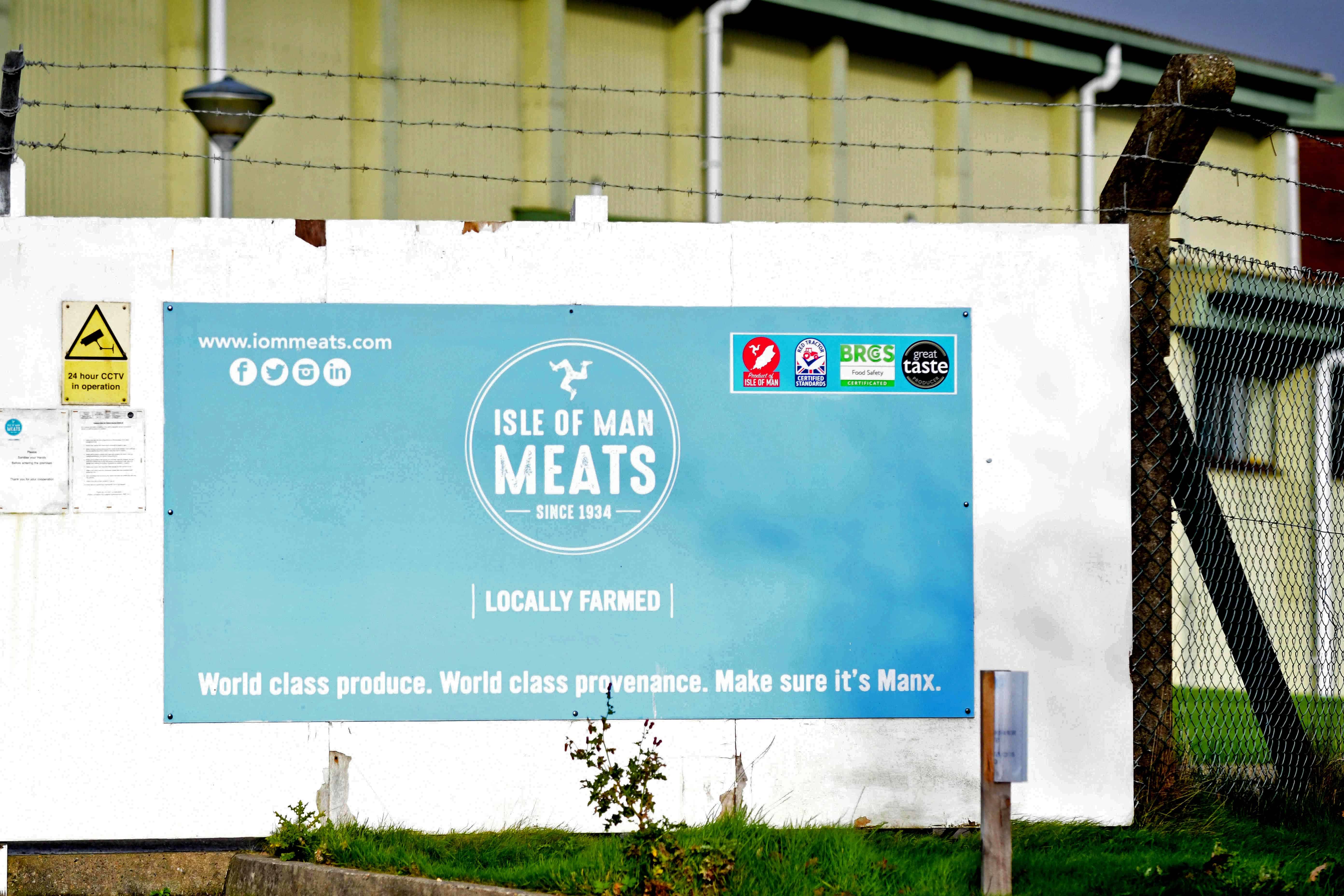
A report into the island’s meat plant has found that it is a clean set up with good facilities, but there are serious concerns about staffing, information handling and slow processes.
The Birnie report is the latest in a series of reports that have highlighted failings at the taxpayer owned meat plant.
Starting with a positive, the report did find that the facilities are strong and relatively well maintained, it also promoted good animal welfare and swabs revealed a low level of contamination on primal products, basically they’re fully safe for consumption.
However, the report highlighted issues around information gathering, which it attributed ‘primarily to the attitude of the senior manager, who is either unaware of the information which should be collected, or is unwilling to collect it due to the effort required’.
This included a lack of awareness of ‘what good looks like’ in terms of reporting and managing key performance indicators.
Finance and admin staff have also not received the right training to produce reports and info that would help manage the plant.
On the upside, the report indicated that the finance and admin staff were turning up. The report said: ‘Operational staff attendance average is around 75%. This is much too low and demonstrates that there are many staff members on which factory management cannot rely.’
Meanwhile, the report also found that staff aren’t incentivised to work quickly and most are under-trained and learning on the job ‘without much (or any) supervision’.
One of the challenges this is bringing is slowing down the plant’s output.
The Birnie Report said that the current line speed for cattle slaughter is eight to 10 per hour.
It added: ‘An expected line speed in a large commercial factory would be up to 40 cattle per hour, and the IOM Meat plant is capable of getting somewhere close to this, if fully staffed with trained individuals. Even delivering rates of 25 cattle per hour would make a substantial difference, and with appropriate staffing would be able to deliver this very rapidly.’
Lambs are slaughtered at a rate of around 80-100 an hour. Larger plants operate at up at 600 an hour, but the report was clear this is ‘not a reasonable target for Isle of Man Meats’, but did say the current rate could be doubled.
It added: ‘Pig slaughter is also extremely slow, operating at around 15 animals per hour (although it must be noted that we only saw a very short run of pig slaughter and it would not necessarily have been representative of the more commercial kill which the factory usually undertakes.’
Throughput
One of the bigger issues facing the meat plant is the low amount of cattle that pass through its doors, with over half of cows going off-island for slaughter.
The report said: ‘The factory processes a very small number of cows as the factory is not competitive against mainland factories, with approximately £300-400 difference per animal, with the majority travelling to the UK mainland for slaughter.’
Sales
The report said that the weakest area of Isle of Man Meats is sales, which for a company set up to sell Manx meat is somewhat of a problem, saying it ‘appears that sales are a “second class citizen” and receive little focus’.
It added that while on-island sales are ‘reasonable’ and ‘considerably higher’ than off-island, the off-island sales prices ‘are very low and considerable attention is required to build relationships which can change this to initially achieve competitive commercial prices, and, in the longer term, to reach premium markets which further increase returns’.
Summary
Overall, the report can be summarised as follows:
- The sales model is flawed
- The amount of management and financial information which is collected is much too low.
- The pace of operation of the plant is much too slow.
- The staff management and training programme is fundamentally flawed.
- Adherence to regulation is poor.
- The factory process reveals an overall lack of attention to detail.
Read the whole report here.


50 Years, Three Generations And Thousands of Windows

Josh Secures £300k Backing For Gaming Venture

Review: ‘Easily Tom Holland’s Best Outing As Spider-Man’

New Hotel Plan for Peel
