
Politics
Value, Pricing and Arms-Length Management
SYSTRA’s review has found that the DoI could continue to act as a parent department
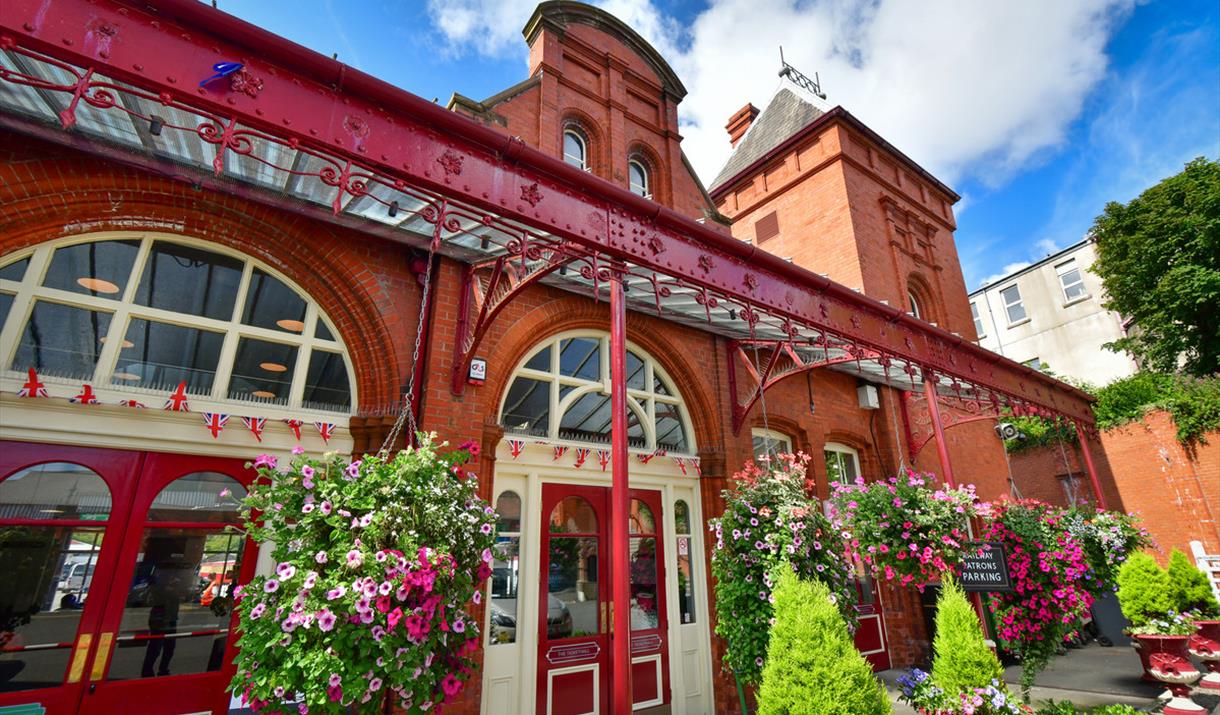
A review into the island’s railways has recommended a board of directors be appointed to run the system, but it should remain in public ownership.
SYSTRA’s review has found that the DoI could continue to act as a parent department with responsibility for infrastructure and operational liabilities, but greater structures would help the network in the long-term.
The industry experts considered several issues around the running of the railways, not least the price paid by passengers which SYSTRA found to be ‘in line’ with other heritage railways.
However, it did recommend that a ‘conscious decision is made about the pricing of Go Explore multi modal tickets and group ticket discounts’.
It said: ‘The increase in the cost of Go Explore tickets has not kept pace with the price of full fare tickets, leading to significant erosion of yield per passenger compared to full fare tickets. These tickets do provide an affordable way for tourists to travel around the Island without a car, but a strategic decision needs to be taken on whether these tickets should be retained at a low price to promote sustainable tourism or should see an increase in price to help reduce subvention levels.’
Investment
Much of the permanent way of the railways has been replaced in the last 20 years, SYSTRA has recommended a short-term increase in investment to complete renewals programmes before it being reduced to a ‘lower but consistent level’.
Income
The railways currently have lower levels of ancillary income than comparable heritage railways, which SYSTRA said is an area with ‘scope to significantly increase revenue, for example through development of more directly operated retail and catering outlets’.
Value
While the railways make a loss on operations, the review found that ‘for every £1 spent in subvention and capital investment there is a benefit to the economy of £2.88’.
It added: ‘The total direct and indirect impacts on the economy total around £17m each year formed of a mixture spending by visitors and spending by the railway itself. This is another area in which the Isle of Man is unique. The majority of visitors come from off the Island meaning that any visitor spend is new income to the Island economy.’
Organisation
The future of the railways has long been an issue, with questions over whether the DoI is the right department to oversee it, whether volunteers have a role to play and what the management structure should look like.
In short, there is no potential for the railways to be served purely by volunteers, SYSTRA found that ‘ even in the most optimistic scenario the number of volunteers available would be wholly insufficient to operate even a small proportion of current services’.
Th review also recommends that a board of directors be formed to oversee the management and development of the railway, ironically comprised of voluntary directors, with from a range of stakeholders such as DfE, DoI, enthusiast and supporters associations, Visit Isle of Man and an independent off island representative with experience of heritage railways also involved.
Finally, the report recommends that the railways should operate as a (brace for it) ‘arm’s length publicly owned company’.
It says ‘The railway would still require a parent department within government. With the transition towards a railway looking more firmly at long term business growth and development, having successfully overcome its issues with asset management and condition, it is appropriate for the Department for Enterprise to have a greater role in the development of the railways.’
However, this function may also be possible to achieve through the board of directors with the DoI counting as parent department with responsibility for infrastructure and operational liabilities.
Also Relevant


50 Years, Three Generations And Thousands of Windows

Josh Secures £300k Backing For Gaming Venture

Review: ‘Easily Tom Holland’s Best Outing As Spider-Man’

New Hotel Plan for Peel
