
Opinion
Why the Island Plan Debate Fiasco Should Worry Us All
Paul Speller has a lot to say about the new gov’s moves to pass its Island Plan.
The gov’s misguided attempts to secure an early Tynwald vote on its showpiece Island Plan should alarm us all.
I suspect most people – after asking ‘what is the Island Plan?’ – merely rolled their eyes at the botched bid to sneak in a vote during the January Tynwald sitting and haven’t even noticed CoMin has now tagged it onto an extra sitting on Tuesday, rather than wait for the scheduled Tynwald in two weeks.
Both moves subvert the normal processes for placing an item on the public Register of Business – it should appear six weeks before a sitting, helping ensure full transparency.
The failed first attempt sought to suspend standing orders, rules that guide parliamentary procedures and are generally accepted as protecting the democratic process.
Coupled with other ways in which the last government and now this one have reduced public debate and accountability – with backbench co-operation – we should worry.
Disregard for processes designed to protect democracy should not go unchallenged.
It is the first step at the top of a slippery slope. Want to know what lies at the bottom? Take a look at 10 Downing Street.
You probably think this is alarmist, but bear with me.
When a government sidesteps rules, and parliament allows it to, it emboldens leaders to do it again. And again.
We’re nowhere near the position the UK finds itself and hopefully never will be. But we should still be concerned when processes are swerved.
Boris Johnson has spent his whole life doing it and until recently has been indulged. ‘Boris being Boris’, ‘he gets things done’, ‘it’s not a serious breach’.
Like tapping a cola bottle repeatedly, the lid blows off eventually.
Could it happen to democratic checks and balances here?
Private briefings on key issues, ahead of a Tynwald debate? Not a big problem.
Government bypassing the normal scrutiny process for new laws? Nothing to worry about.
Not complying with time requirements for public availability before forcing a debate on a report? They’ll have a good reason.
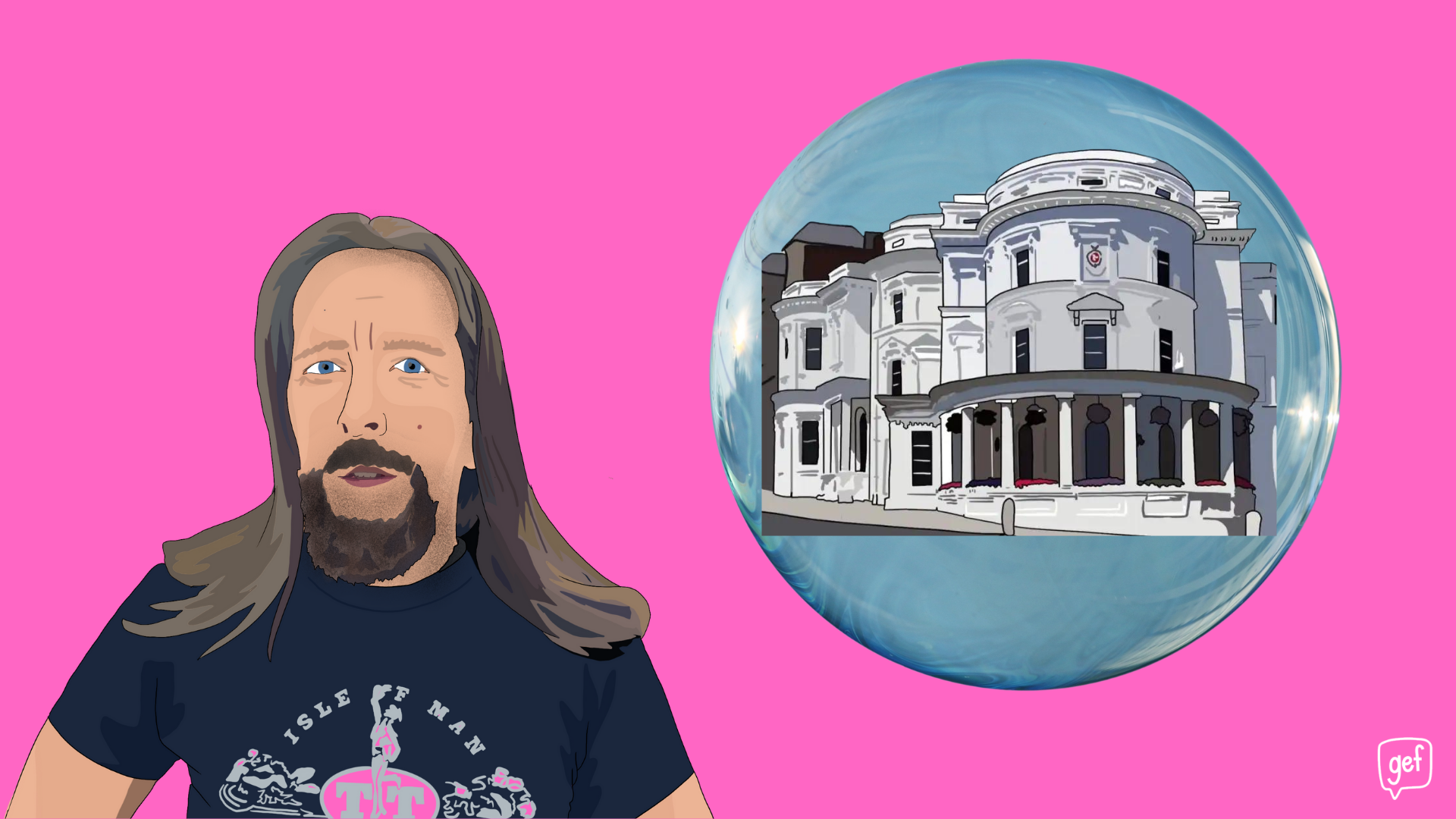
Tynwald operates in a bubble. We may question why it’s okay to ignore rules they and their predecessors drew up but we get a pat on the head and are told it’s tickety-boo this time.
Habits form and they create patterns, which are then followed, sometimes unwittingly, and suddenly transparency and accountability are left behind.
In the absence of party politics or an organised opposition this creeping disregard for the checks and balances is a threat to democracy.
With the Island Plan debate, we are assured there is nothing to fear. Government wants to get on with things. There was a consultation prior to the final document’s production. So don’t worry about the doc only being released four days before gov first wanted Tynwald to vote for it.
After that attempt failed most of us expected it to be moved to the February 15 sitting. Reasonable time to study the 68-page document. Not so. Last week, it was confirmed gov was sticking it onto an extra sitting arranged for Covid regs. Six days’ notice for the public.
On the consultation defence, any politician who argues you don’t need to thoroughly read a final document is either a fan of Machiavelli or worryingly naïve.
The Register of Business rules require a doc to be placed there six weeks ahead of a Tynwald debate, which ensures sufficient time for public awareness, scrutiny and further engagement.
If you fail to meet the register deadline but still submit a doc in time to appear on the main Tynwald agenda – published 12 days before a sitting – you only need a simple consent from members to have the debate, meaning a lower vote threshold (13 in the Keys).
If you don’t manage to get your act together to hit the main agenda, it becomes trickier. You can go for a supplementary agenda but must seek permission to suspend standing orders before the debate can go ahead. That has a higher vote threshold (16).
CoMin failed on the first two deadlines for the January Tynwald and then failed with the supplementary agenda tactic.
This time it has sidestepped the need to suspend standing orders by lumping it onto this Tuesday’s previously unlisted sitting, for which the agenda was released on a shorter timescale.
Doesn’t seem a big deal, but it’s a step further away from transparency.
We are told private briefings of members are very useful.
There was one ahead of last year’s gas price hike, approved by Tynwald members after assurances that support measures for those on low incomes would increase in January. Several members suggested, apparently based on the private briefing, that there would be no impact on gas bills before then.
Within days of the Tynwald vote, the rise was appearing in invoices.
Either members didn’t pay attention in the private briefing, they are so well-off they don’t need to bother studying their own bills that would show that they go right up to the invoice date, or no one asked a pertinent question.
Heaven forbid an incorrect impression was given inadvertently.
We don’t know. It was a private briefing.
There was a private briefing ahead of the vote rubber-stamping the price rise on the ferry terminal in Liverpool. Members subsequently told us how cross they were but they had to approve it.
In the previous intake of Tynwald, to which most of CoMin belonged, a crucial vote paving the way for the subsequent Steam Packet buyout took place without any debate – even surprising the then President of Tynwald Steve Rodan.
They had discussed it in private, though, and I was assured by otherwise sensible backbenchers there was no need for concern. A number of questions about the deal were later raised in Tynwald, which may suggest otherwise.
Private briefings are a government tool to avoid proper scrutiny. It is a cop-out when backbenchers go along with them.
Each one, despite individual justification, reinforced the Tynwald bubble that leaves the electorate on the outside.
If it’s not definitely a pattern yet, let’s consider how laws are scrutinised.
There are four separate stages for scrutinising legislation in the Keys, each meant to take place at a different sitting.
First reading: No debate but puts a bill in the public domain.
Second reading: Key principles of bill debated.
Clauses stage: Detailed scrutiny that should take place ‘no earlier than the next but one sitting’ after a second reading. Main opportunity to amend or oppose aspects of the bill.
Third reading: Often a rubber stamp but allows breathing space to see if amendments have a knock on effect. Opportunity to respond to any outstanding questions.
Then it has to go through LegCo.
Ample opportunity for public engagement and for reflection between each stage of scrutiny.
At more than half of the House of Keys sittings in the 2020-21 session, standing orders were suspended to take more than more than one stage of a bill’s scrutiny on the same day. Some days, it applied to more than one law.
There may be some defences, ranging from Covid impact (unconvincing) to the fact it was the final year of the administration and they had to complete things (would be more convincing if it hadn’t started on the very first sitting of the year).
Even if some arguments were valid for particular pieces of law, the fact it happened at more than half the sittings looks like a habit.
No laws have gone before the current Keys, so we can’t compare. But many of the MHKs are the same.
For all the ‘it’s okay’ subversions of democratic safeguards, there will be an increasing number of ‘it’s not okay’ ones.
I’m told enough MHKs signed a letter supporting the bid to debate the Island Plan this Tuesday to make it likely to happen.
I hope those MHKs, and MLCs, think again.
You may believe the sidestepping of standing orders doesn’t matter.
You may think attending private briefings is always fine.
You may see no harm in government attempting to pull a fast one with this debate.
You may convince yourselves you’re not in the bubble.
But you are – unless you burst it.
Make CoMin wait until a scheduled sitting. Show you value democratic process, transparency and accountability.
Even when public response is low, the fair opportunity to give it should never be taken away.
Call me alarmist if you want to. But don’t say you weren’t warned.
50 Years, Three Generations And Thousands of Windows

Josh Secures £300k Backing For Gaming Venture

Review: ‘Easily Tom Holland’s Best Outing As Spider-Man’

New Hotel Plan for Peel
