
Business
Will Island Follow Triple Lock Decision?
Budget Day is nerd Christmas, pass it on.
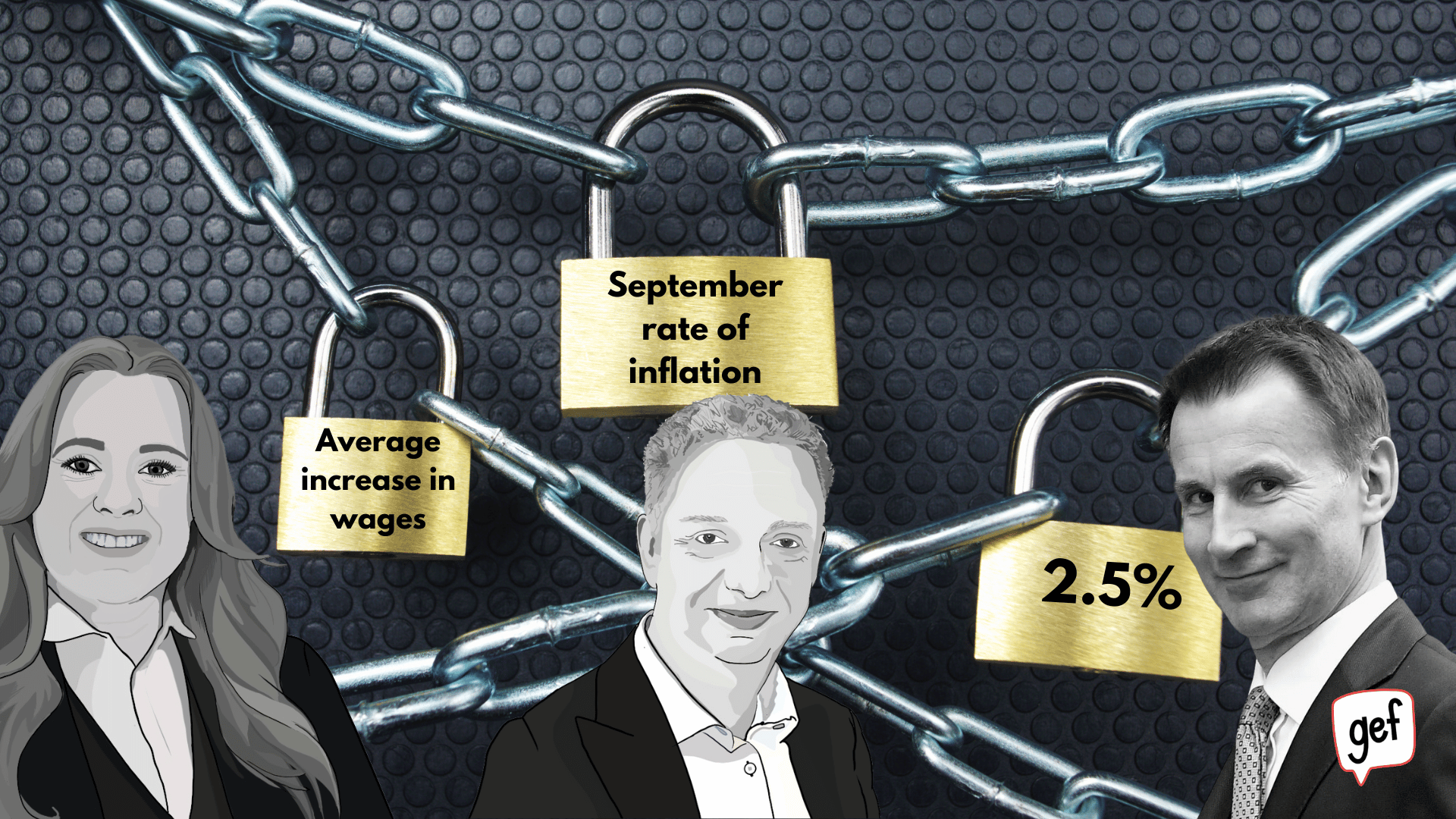
When Jeremy Hunt (always double checking that one) delivers his Budget today, one area many of our island will be keeping a keen eye on is the decision on the triple lock.
The triple lock is a guarantee that UK pensions will rise by either the September rate of inflation, the average increase in wages across the UK or 2.5%, whichever is higher.
After it was suspended during Covid, the Tory gov has yet to come down on side or the other about whether this will return, though today is the day that Hunt will have to take the party off that particular fence.
So why does that affect the island?
Well for this we turn to a question from Douglas South MHK Claire Christian who asked Treasury Minister Dr Allinson to what extend the island is bound to follow the UK’s lead on this.
In his response, the good doctor said: ‘The 1977 Agreement relating to social security between the Governments of the United Kingdom and the Isle of Man – often referred to as “the 1977 reciprocal agreement” – requires that the rates of Isle of Man state pensions payable to people who reached state pension age before 6 April 2016 must be the same as the rates of UK state pensions payable to people who reached state pension age before 6 April 2016.
‘Whilst the Agreement is obviously not specific in the matter, given that it predates the introduction of the triple lock guarantee in 2010, it follows that if the UK Government should re-introduce the triple lock from April 2023 the IOM would be obliged to follow suit in respect of IOM state pensions.
‘As regards persons who reached state pension age on or after 6 April 2016, or have yet to do so, the 2016 Agreement relating to state pension and retirement pension between the Governments of the United Kingdom and the Isle of Man provides for a complete separation of UK and IOM state pensions. The IOM Government is therefore at liberty to set its own state pension rates in respect of this cohort, irrespective of UK Government policy.’


50 Years, Three Generations And Thousands of Windows

Josh Secures £300k Backing For Gaming Venture

Review: ‘Easily Tom Holland’s Best Outing As Spider-Man’

New Hotel Plan for Peel
