
Sport
Plans for 40 Mile Mountain Bike Trail
Phase Two will support the development of a Visitor Centre consisting of cycle hire, bike shop, and recreation hub at South Barrule
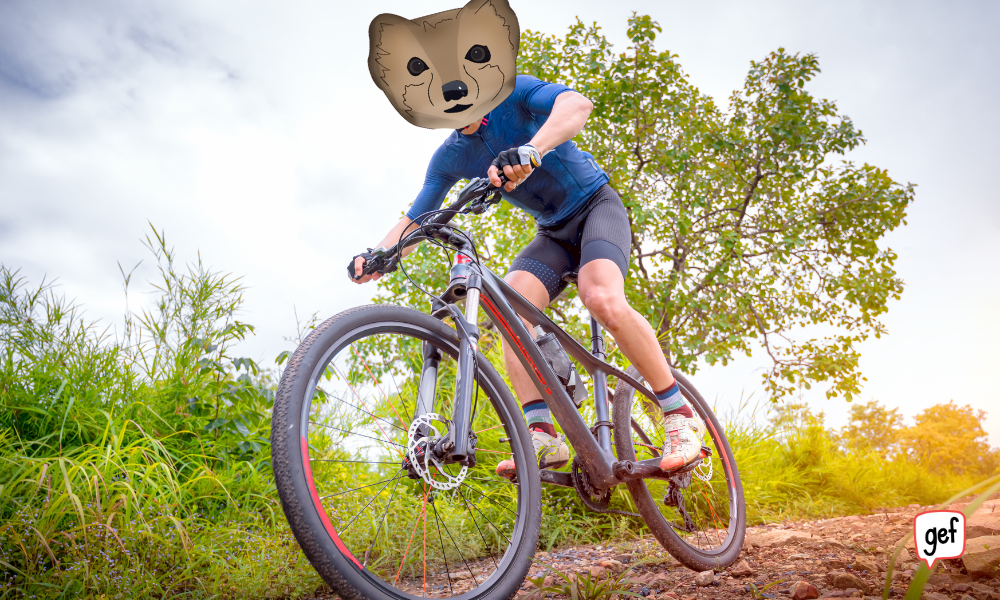
The gov has announced plans for a Mountain Bike Trail Park that will create just over 8.5 miles of new trails to connect seven plantations across the Isle of Man.
The project is planned to enhance the island’s proposition as an established cycling destination and increase the number of cycling leisure and event visitors to the island each year.
Phase One, which will see the development of a total 39.7 miles of mountain biking trails and increased signage, has been approved following a feasibility study conducted by a local company dedicated to building and maintaining mountain bike trails.
The study supported the initial decision for the need for a Mountain Bike Trail Park to accelerate the cycling offering on the island. The next step will be to go to an open tender process for the work involved in delivering Phase One.
We have FoI’d the survey.
Phase Two will support the development of a Visitor Centre consisting of cycle hire, bike shop, and recreation hub at South Barrule, which will go to market for privately funded proposals, whilst Phase Three is an ambition to secure private investment for a luxury glamping/lodge accommodation provision.
Deborah Heather, CEO of Visit Isle of Man, said: ‘Cycling tourism is a growth opportunity for the Island, and this Mountain Bike Trail Park is testament to our commitment to making the Isle of Man a recognised cycling destination. Whilst the current trails are numerous, covering 50KM (31 miles), they are not connected to one another, nor are they well sign-posted, meaning that currently they are only used by a small percentage of locals and are not readily accessible to either visitors or the wider local population.
‘We believe this project will further diversify the island’s tourism offering, attracting mountain biking enthusiasts, adventure seekers and nature lovers alike, as well as contributing to the economic and social development of the local community.’


50 Years, Three Generations And Thousands of Windows

Josh Secures £300k Backing For Gaming Venture

Review: ‘Easily Tom Holland’s Best Outing As Spider-Man’

New Hotel Plan for Peel
