
Creativity
Gef’s 30 Under 30 Winners: Q&A with Jenni Smith
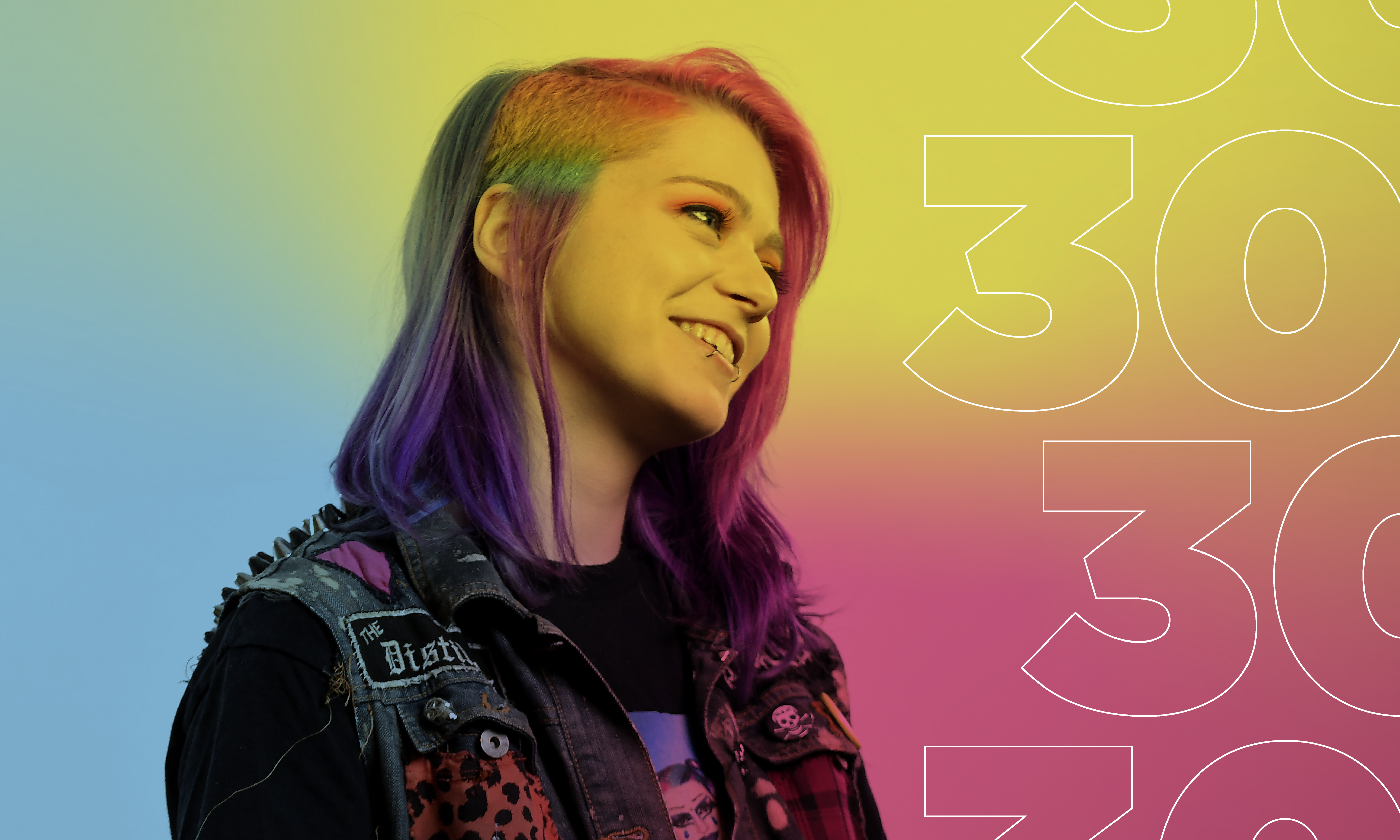
 Ten categories. Thirty young visionaries making their mark on the Isle of Man. Introducing the all-new #Gef30Under30 winners: the next generation of our island’s leaders.
The Games Global Creativity winners are some of our island’s most artistic young minds — expressing themselves while also empowering their local creative communities. They are creating the art of tomorrow, no matter which medium they choose.
What is your name?
Jenni Smith, age 29.
Tell us a bit about your role in the creative space on the island?
I’ve been involved in the creative space on the island since I moved here at the age of 14. I currently run SoundCheck Isle of Man, which is an Arts Council project for young people, teaching them how to play music, be in bands, do gigs and things like that. I’ve worked there since 2010. I am also in a band myself called Half Naked Headline and we are part of the Manx Punks Collective that brings bands over from the UK and Ireland, and we take bands over there too.
Tell us more about where the island is with creative industries at the moment?
I think the island breeds really, really like unique musicians. A lot of people feel like they have to move away to make it or to get anywhere, and for some people, that is absolutely the right move. But I think a lot of people don’t realise how many opportunities there are within the creative industry over here. Being Manx, or being an artist from the Isle of Man, is a unique selling point. You also have a sense of community here that’s very close and you find that people mostly want to help each other and lift each other up. If you go to the UK, you’re one in thousands.
I think that as far as the creative industry on the island goes, it’s always progressing and moving forward. And we do seem to have a lot more diversity on our scene. But I think that venues and events organisers need to consider younger artists a lot more. If they were to promote original acts and the younger acts, they would be less likely to want to move away and then we could grow our scene even further.
So the island is a good place for creative young people to thrive?
I definitely think it is. Yeah. I think the music scene over here is tight-knit. Everybody knows everybody. I know everyone says that, but it’s true. And I think for me, moving to the UK I personally wouldn’t see value in that as an artist because I feel like you just wouldn’t have that same sense of community over there. And I think that the Manx people and the Manx musicians really do pat each other on the back and really do hold each other up when they have achievements.
You’ve obviously achieved really great things creatively. What’s your journey been like?
I’ve always felt a bit different. Growing up in the 2000s on the Isle of Man, being gay (when 30 years before that wasn’t legal), had a knock-on effect that people wouldn’t realise. I had the ‘do it anyway’ attitude. If someone says I can’t do it, I’m going to do it. I think that got me a certain amount of the way. I think what really led me to where I am is the community and the people around me and the people that have lifted me up and helped me. And I think that’s been a really large part of the journey. I used to want to be like a rockstar and I would idolise singers and bands or lead guitar players, whereas now I take inspiration and look at the local people that have made active change using creativity. I think the message behind the art, to me, is just as important as the art itself. And that’s what drives me.
Is there anything that you would like to change in your sector?
I would like to see less politics involved in the booking of bands. I would like to see more original bands and homegrown musicians who are creating amazing things. I’d really like to see them held up more. I think that venues and organisers have a duty to make sure that they do showcase local talent; like with the Dark Horse festival with Barry and Rebecca. They do a fantastic job showcasing what the island has to offer. We have got the Full Moon festival coming up that looks absolutely fantastic. Loads of young acts are due to play there. There’s really, really good stuff happening. And I just want to see that continuing to happen.
Tell us about SoundCheck.
SoundCheck has been running since 1997, so it’s an older project than people might think; it’s got a little bit of a legacy there as well. I started there as a kid, playing in bands at 14. I then started working there at 16 and I’ve seen it grow into a whole new thing a whole bunch of times. It’s always changing and adapting and it’s inspired by the people that have run it in the past. You’ve got Paul Cooper, he passed away a number of years ago now, but he really drove the project forward and made it more accessible to the wider community. And now we’re in multiple places on the island. We do most of the festivals and live events on the island and it’s just a chance to really showcase that young talent and give high schoolers a space that they can go and make noise.
We got the Diversity award at the Awards for Excellence and I think SoundCheck reflects that really well. We’re a very, very inclusive space and we stand for diversity and equality and I think that’s a space that a lot of children on the island really benefit from and wouldn’t necessarily get elsewhere.


You must be logged in to post a comment.