
Planning
Citadel Hotel Approval Appealed
Permission for the demolition of the citadel and building of a 44-bed hotel was granted last month, alongside approval for registered building consent.
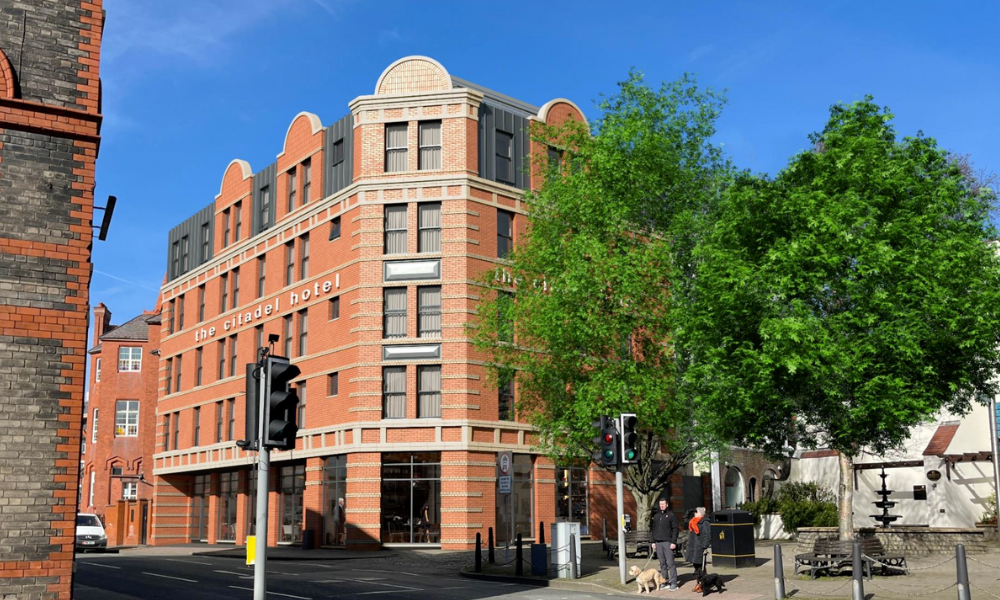
Plans to redevelop the former Salvation Army Citadel into a hotel have hit a bump in the road.
Permission for the demolition of the citadel and building of a 44-bed hotel was granted last month, alongside approval for registered building consent.
There have been six reasons put forward for the decision to be overturned at appeal, including that the planning officer and committee didn’t properly consider the impact of the proposal on neighbouring properties.
One of the key arguments for not demolishing the building is that the Citadel ‘is weatherproof and can, and should, be saved’.
The appellant said: ‘I have personally viewed the premises, and believe that ti can very easily be converting to residential use, which is much in demand on Island. Indeed an offer of purchase for this reason had been made to the previous owner, and this offer remains, showing that there is an identified future use for this building.’
They added that they were ‘disappointed’ that ‘none of the planning officers or committee members present when approval was given had visited the interior of the building’.
As well as this, the impact that the hotel would have on neighbouring buildings has been questioned.
The appeal said: ‘The significant increase in height (from two to five stories) of the proposed building will cast a significant shadow upon buildings to the north, including my own. This will result in increased costs for lighting and heating, increased carbon emissions, reduced potential for rooftop renewable energy, reduced quality of life of residents and occupiers, reduced property prices and reduce ability to let via reduced desirability for potential tenants.’
Other issues raised include the mass of the building, the impact the hotel will have on car parking in Douglas, which the appeal said would ‘place an unacceptable burden on an urban area where parking is already at a premium’ and the owner of the neighbouring property being unable to access their own property during demolition, construction and the general use of the building.


50 Years, Three Generations And Thousands of Windows

Josh Secures £300k Backing For Gaming Venture

Review: ‘Easily Tom Holland’s Best Outing As Spider-Man’

New Hotel Plan for Peel
