
Community
From Chaos to Calm: How Foster Carers Transform Lives
The Tower of Refuge will be lit up orange on 25th May to commemorate Foster Care Fortnight.
It’s the UK’s biggest awareness campaign for fostering, and the Isle of Man has been showing its support by hosting two weeks’ worth of events from 12th to 25th May — not only to celebrate all the brilliant work done by foster carers on the Island, but also in the hope of recruiting new ones.
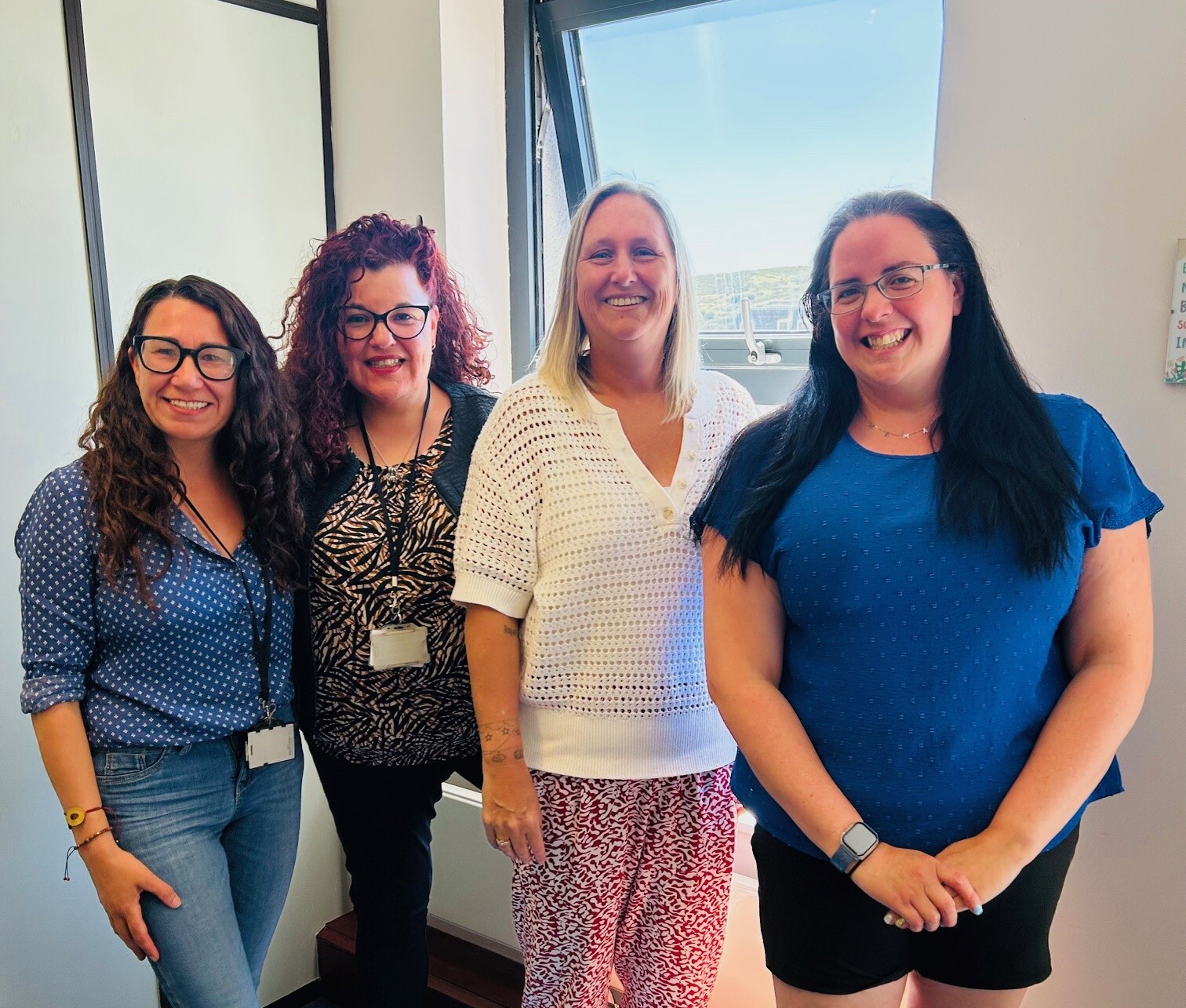
I had the pleasure of speaking with two local foster carers (who will remain anonymous) and two stalwarts of the Family Placement Service: Kristy Canipa, the Family Support Worker for the Fostering Team, and Jen Fells, the Fostering Team Leader.
‘I’m three years in and I absolutely love it,’ Carer One tells me. ‘The boy with me was meant to be short-term, but I’m keeping him long-term. I’ve learned so much and I’ve made great relationships with fellow foster carers and social workers.’
That sense of community and connection is exactly what this year’s Foster Care Fortnight theme — The Power of Relationships — is all about. But before we jump into why you, dear reader, could be an excellent candidate for fostering, let’s take a look at what foster care really means.
‘It’s about providing peace, giving the child that sense of calm. It’s about being that one person they can relate to, and giving them a voice when they’ve never been heard. If a child has come from chaos, it’s about bringing security, helping them feel safe, loved, and nurtured. When we’ve planted those seeds, the children thrive.’
Beautifully put by Jen, and wonderful in sentiment — but there can be hurdles in the form of common misconceptions that prevent people from coming forward.
Misconceptions About Foster Care
“The children are naughty”
‘I think that’s definitely the main one — no matter the age, people assume there’s something wrong with the child, which is absolutely not the case,’ says Jen, earnestly. ‘People think children come into care because they’re beyond parental control. However, this isn’t true — children may require care outside of their family for a variety of reasons, such as family breakdowns, loss, bereavement, or illness.’
“The birth family doesn’t want the child”
‘Having empathy for the birth family is really important,’ says Carer Two. ‘No one wishes to be in a position where they cannot care for their child. Most families do their best and truly love their children. Often, they want their children back in their care.’
‘It can be really painful for birth families, but fostering is all about working with people. The aim is to build a relationship with the birth family — one with healthy boundaries — in the best interests of the child.’
“You can’t foster if you have a full-time job”
‘Lots of our foster parents work,’ Kristy explains. ‘And that’s absolutely fine, as long as there’s some flexibility. Being a foster carer is busy — there are lots of meetings with the professionals supporting the child.’
“You’ll get too attached”
This isn’t so much a misconception as a valid concern. Carer Two explains that it’s important to remember the ultimate goal is to prepare children to return home, if that’s part of the plan. It’s about doing what’s best for the child. And even when children move on, many relationships endure.
‘Maintaining those relationships and staying in touch is wonderful, but it depends on the families. For example, an adoptive family might keep in touch, some might not. Sometimes, when children grow up, they realise what their foster carer meant to them and may even reconnect — which is lovely.’
Who Can Foster?
-
You must be over 21 (there is no upper age limit).
-
You must be able to offer a stable home — whether you own your home or rent doesn’t matter.
-
You’ll need a spare room (or rooms if fostering more than one child).
-
You must be in reasonably good health.
-
People of all sexualities, gender identities, and ethnic backgrounds are welcome.
Jen adds:
‘You need a spare room and the emotional time and commitment to care for a child. We also check for any major life changes coming up — like moving house. If you are, we ask you to come back to us once you’re settled. No specific qualifications are needed — training is provided. You don’t need a partner, either. As long as you’re fit, healthy, and committed, you can foster.’
Types of Foster Care
-
Time-limited placements: These are often aimed at eventual reunification with birth families, and can last from a few weeks to several months.
-
Long-term placements: Where an older child is matched with a foster family until adulthood and independence.
-
Emergency placements: For children who come into care suddenly, typically staying short-term while further plans are made.
-
Short break or respite placements: Provide regular care for disabled children or support other foster families.
Carer Two started with respite care, looking after a girl one weekend a month. She now fosters a boy long-term, who first arrived in an emergency situation.
‘Both were a joy. It can be overwhelming at first — you’re so conscious of getting everything “right” — but once the routine is in place, everything settles. And here we are, nine years later. He makes me laugh every day. I love being able to give him new experiences — it’s fabulous.’
Beyond the Child
Foster care isn’t just about the child. As Jen notes:
‘There are lots of meetings — support sessions, supervisions, school meetings. It’s not just the child. The child is the main part, but you’re also working with a big team.’
The Process
The application process takes about six months and includes training and education sessions. This gives prospective carers a feel for the role and its responsibilities.
Jen explains:
‘Foster carers receive financial support so that the children they care for can enjoy opportunities and experiences that help them thrive. It’s not a salary — you’re self-employed — but there are payments for living costs, clothing, and special occasions. There’s also a skills fee, and a fostering fee to help cover things like birthdays and holidays.’
There’s also a wealth of emotional and community support — from peer support groups and coffee mornings to social events.
‘Some young people love the events,’ Kristy says. ‘Others don’t — and that’s fine. Especially in long-term matches, some just want a “normal” family life. We’re always adaptable.’
Do We Have Enough Foster Carers?
‘No,’ Jen says simply. ‘We manage, but it’s hard. Which is why we’re currently on a recruitment drive.’
That’s another reason the Isle of Man is embracing Foster Care Fortnight — to inspire more people to consider fostering.
‘There are hundreds of people out there who would make incredible foster carers,’ says Kristy. ‘We know it’s a big decision, but we encourage people to get in touch. We’re here to talk you through it and help you see if it’s right for your family.’
So, when you see the Tower of Refuge lit up orange on 25th May, remember — it’s not about a certain chocolate, but a beacon of recognition for foster carers and a reminder that you could be one of them.


