
Community
Births Drop by 35% in 10 Years
The gov has said it wants to provide the environment to grow the population.
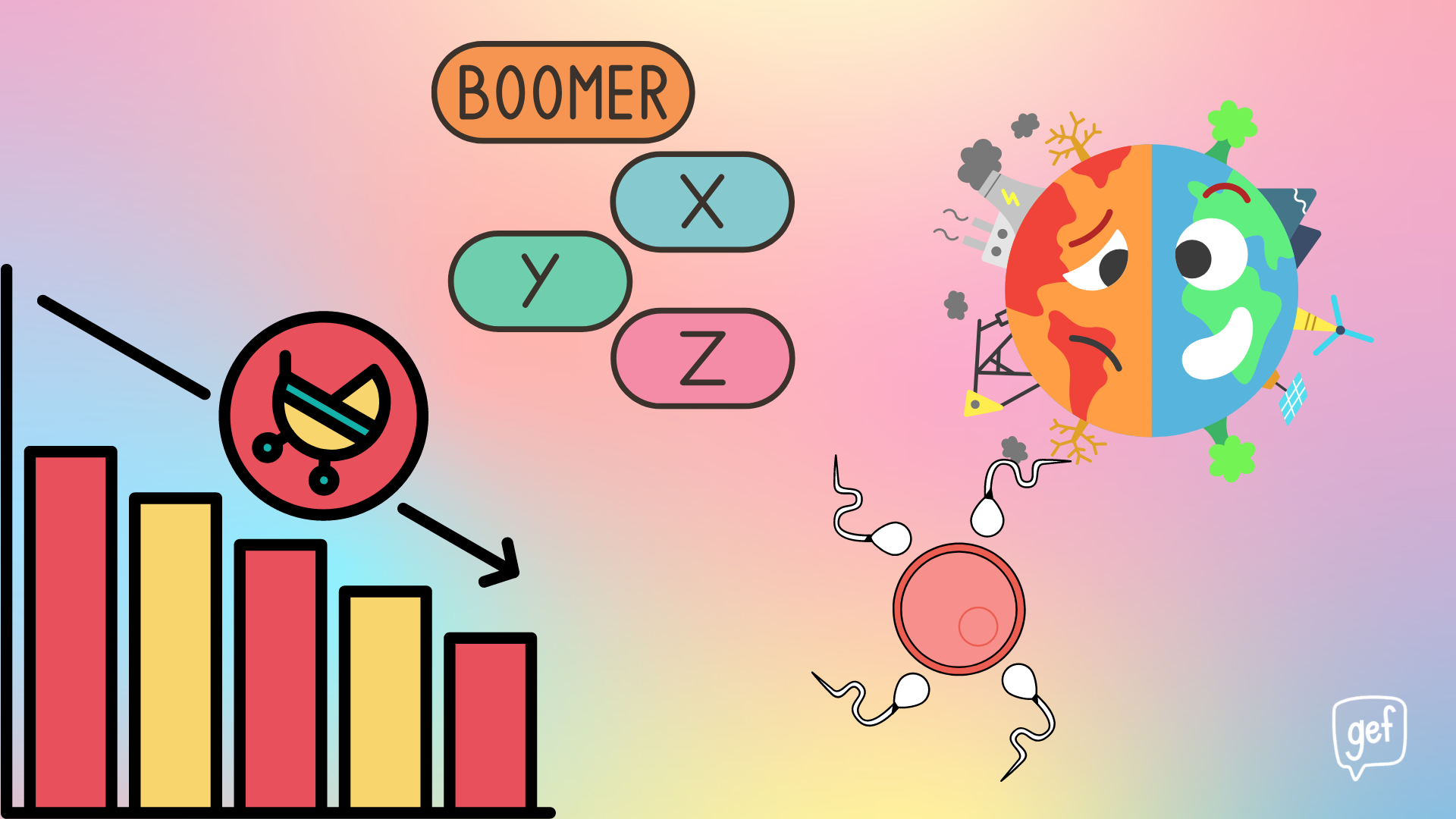
The number of births on the island dropped by more than a third in the last decade.
A drop in the number of births is one of the challenges a Tynwald committee has identified regarding the island’s population imbalance.
As stated by the committee, the birth rate is falling worldwide, but the island is above most other countries in how fast this is happening, between 2010 and 2020, the number of births dropped by 35%.
It said: ‘One perspective on the decline in fertility is that it is being driven by more women in education and work, as well as greater access to contraception, leading to women choosing to have fewer children. In many ways, this perspective counts falling fertility rates as a success story.
‘On the other hand, strong employment-related incentives for some women to postpone childbearing, help to explain why the UK is described as having a “baby gap” – the difference between the number of children wanted by women and those they actually had – running at about 100,000 a year.’
The committee said that growing inequality ‘intergenerational fairness impacting on the disposable income of the so-called Millennials and Generation Z and making it harder for them to be both homeowners and raise a family’.
It also said that a drop in sperm counts and climate change are factors in the drop in birth rates.
The report by the select committee of Tynwald on population rebalancing will go before Tynwald in February.


50 Years, Three Generations And Thousands of Windows

Josh Secures £300k Backing For Gaming Venture

Review: ‘Easily Tom Holland’s Best Outing As Spider-Man’

New Hotel Plan for Peel
